Overview / Where Data and Curb Appeal Aim to Make a Stronger City
Sugar Land, Texas, USA
Where Data and Curb Appeal Aim to Make a Stronger City
Project Type:
Community Engagement, Health and Wellbeing, Technology, High-Performing Government

2024 Silver Certification
Used the Neighborhood Health Report, which included GIS data on population stagnation, aging housing and code violations, to create a home renovation program which targeted investments of over $2.7 million to upgrade 166 Sugar Land homes (145 projects have been completed.)
95% of participants said the program significantly influenced their decision to renovate their homes.
Redevelopment is one of the city’s “All-In” Initiatives using cross-departmental collaboration and performance management to make progress on complex challenges.
Another All-In Initiative is to increase the City’s data-driven decision making and is led by a four-person “What Works Cities team”
Narrative
Neighborhood blight is not something you hear much about in Sugar Land, a prosperous suburb that frequently ranks near the top of “best places to live” lists. And city leaders want to keep it that way.
But here’s the challenge: The first wave of subdivisions that began Sugar Land’s transformation from small town into a city of 110,000 are reaching middle age. Some of the homes built in the 1970s and ‘80s are starting to look rough around the edges. Property values are linked to a city’s economic health. Declining property values can discourage community investment, reduce revenue for the City and make it hard to attract new residents.
In response, Sugar Land recently launched a successful program called Great Homes Update. It encourages homeowners to take on external home upgrades like painting, garage door replacement, or driveway repairs. And it’s built from top to bottom on data that city leaders used to understand the problem, rally political support, and devise a solution that meets residents’ needs.
Great Homes is one product of what Sugar Land leaders call their “All-In” initiatives. These are cross-departmental collaborations aimed at using a performance management approach to make progress on complex challenges. Redevelopment in a mostly built-out city is one of those All-In initiatives. Improving data-driven decision making through What Works Cities coaching is another.
To start, leaders conducted a neighborhood health report, mapping the age of homes across the city and where the most code violations were happening. They also sent staff out to different neighborhoods to do a qualitative assessment of the conditions of homes’ roofs, fences, and driveways.
Next, they surveyed residents to make sure they understood the problem from the homeowners’ perspective. Residents confirmed that they would, indeed, implement improvements if a financial incentive were available. Before designing a pilot program, city leaders looked at how home-improvement programs work in 22 communities across the U.S. Their efforts to find evidence-based solutions in other cities paid off: The pilot they devised won nearly unanimous support from the City Council in February of 2023.
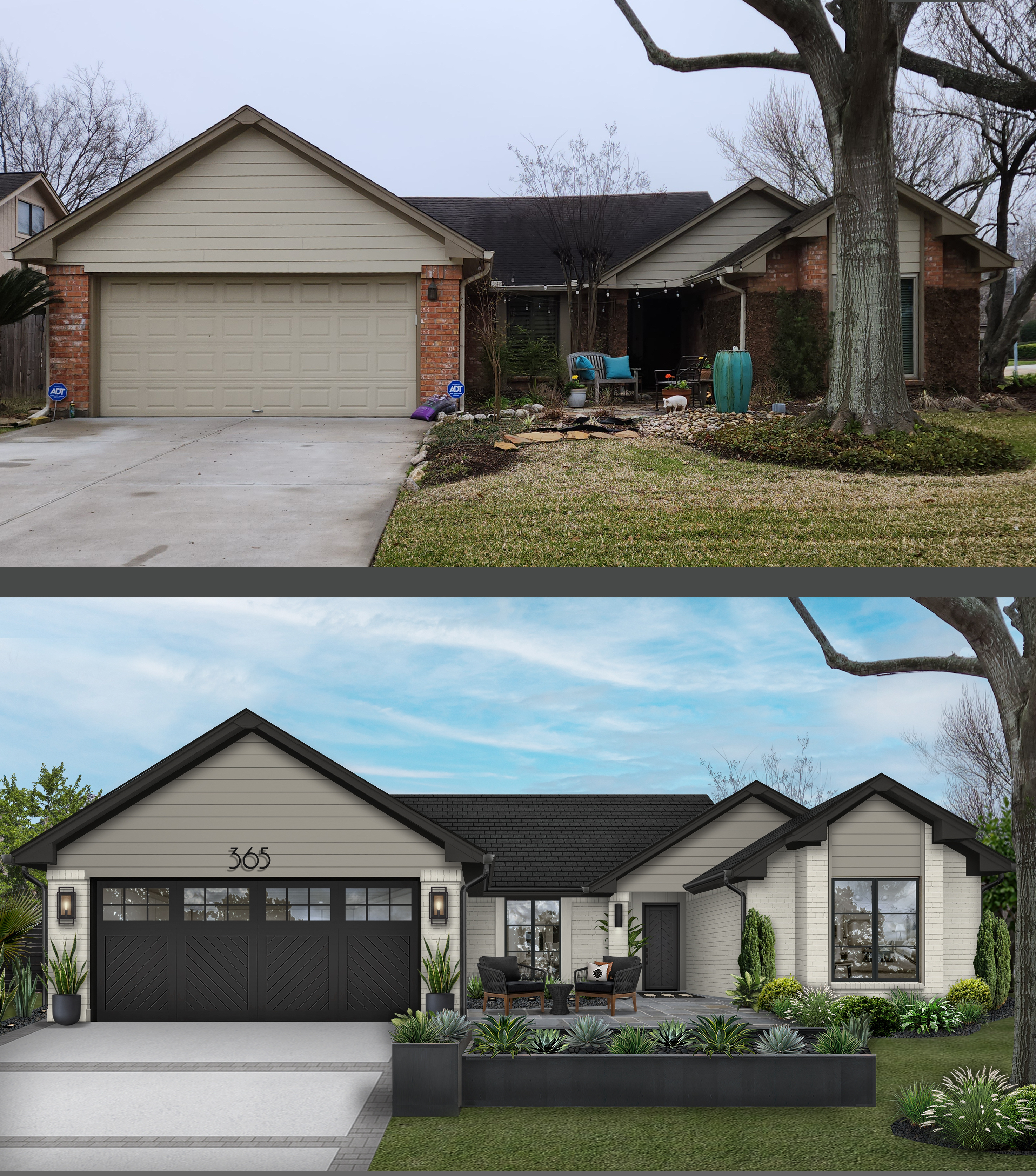
Through the program, owners of single-family homes are reimbursed for a portion of the cost of exterior house repairs, up to a maximum of $10,000. The City gave a higher rebate percentage to older homes and homes with less than the county’s median home value. .Another program offers owners of single-family houses and homeowner associations discounts on home design services. To make it easy for residents to find out exactly what benefits they’re eligible for, the City developed an easy-to-use address lookup tool based on resident feedback.
Results from the first year of Great Homes were impressive. Homeowners carried out more than 145 home projects, including house painting, repairs to roofs and siding, and landscaping. The total of all repairs incentivized through the program was $2.3 million, with about $500,000 of that coming from city coffers. In follow-up surveys, users of the program overwhelmingly agreed that the City’s reimbursements influenced their decision to make home repairs.
City leaders continue to use data to evaluate and improve Great Homes. Under a new iteration of the program, the list of eligible projects has expanded to include front door and gutter replacement.
In the long run, Sugar Land hopes the program will help make the City competitive with nearby areas and deter decline, helping to sustain a prosperous Sugar Land.
“What Works Cities Certification gives our organization a beacon to show: This is where we’re going and this is how we’re going to do it. We don’t need to create our own playbook.”
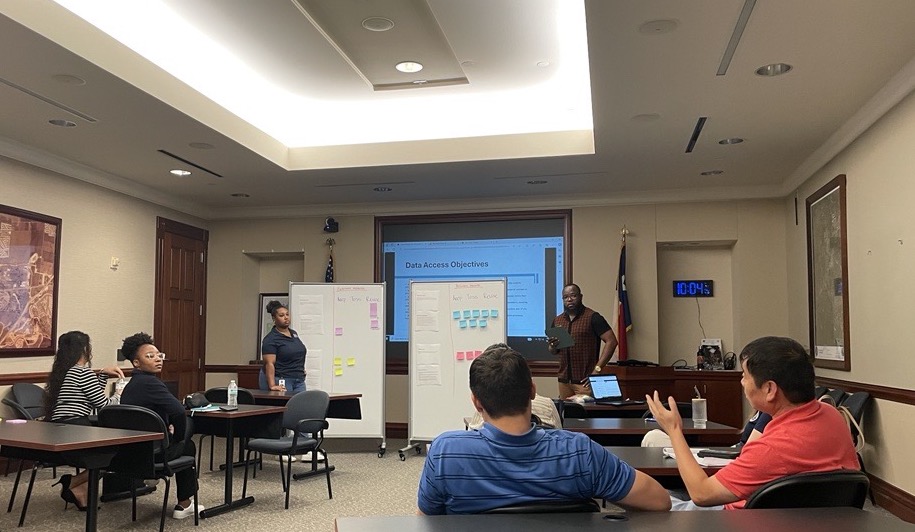
“It’s a community effort that the program is inspiring. Keeping our neighborhoods in good shape is very important for the community.”
Residents leveraged about $500K in City funds to make more than
$2.3 million worth of home improvements.
Additional Sugar Land Certification

2025 Gold Certification
Prioritizing Evaluations to Know What Works
See the work