Normal, Illinois, USA
Data Brings More Families to the Children’s Museum
Project Type:
Community Engagement, Education, Health and Wellbeing, Infrastructure and Utilities, Parks and Recreation, Youth Development

At a Glance
~ 100 → 5,700+ The estimated number of times low-income and/or underserved visitors accessed the Children’s Discovery Museum annually through the museum’s old free pass check-out at the library compared to the number of Museums for All visits in 2024.
2,683 The total number of households served by the museum’s Museums for All program since launching in 2018.
Developed an internal sidewalk dashboard that helped the Town reach ADA compliance for 99% of Town sidewalks.
Repainted more than 50% of streets in 2024 after investing in public works data infrastructure to better track road painting efforts.
In cities and towns across the U.S., museums provide first-come, first-served free or reduced-price passes at local libraries. The idea is to make museums more affordable, engaging and enriching for people who might not otherwise visit.
That was the main purpose of the Children’s Discovery Museum’s library pass program in Normal, Illinois, a town of 53,000 anchored by Illinois State University. For years, the free passes were in high demand, with a waitlist. But when leaders of the Town-owned and operated museum took a closer look at which library patrons were checking out passes, they realized few of them were in the target audience: low-income, underserved families.
In fact, by cross-referencing library checkout data with the museum’s entrance and membership data, staff discovered that a majority of library pass users had once paid for annual museum memberships or otherwise demonstrated they could afford a membership. Moreover, the library pass system wasn’t providing accessibility. For example, a data review revealed that one household checked a museum pass out 43 times in one year. The free pass program was definitely popular, but it was not meeting the stated goals for reaching low-income families.
Given all this, Normal’s museum leadership team decided to switch to a new, more targeted and self-sustaining approach: the Museums for All initiative.

Instead of library passes that may or may not be available on any given day, Museums for All provides annual memberships to qualifying families. Any household in McLean County can join by presenting their public assistance EBT/WIC cards, along with a form of identification. They only need to do so once each year, in private, to receive a Museums for All Pass. Benefits include half-price admission ($5) for up to six people, including extended family who do not live at the same address (children under 2 are free) and other member discounts for camps and events.
“Sometimes data-based findings can be surprising. When you can point to data while explaining that a program is working for some but not all—and therefore the model has to change—it makes change easier.”
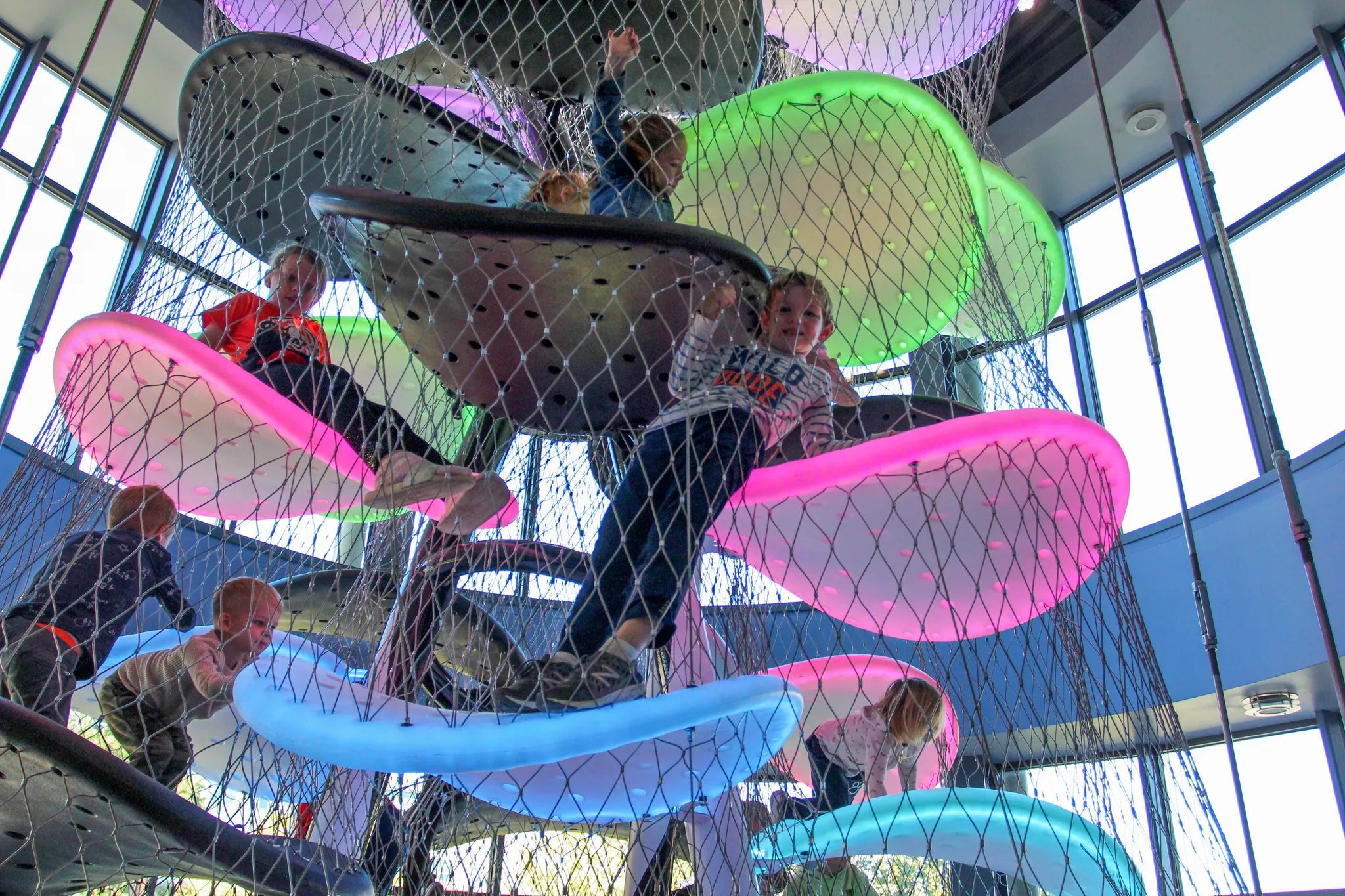
Now the museum has clear data showing it is meeting the program goal by reaching underserved families. In the first year after launching Museums for All in 2018, 350 households signed up—about the same number as had been using free library passes. By 2025, more than 1,500 households had enrolled. As of July 2025, Museums for All has served 2,683 households and accounted for nearly 21,000 museum visits.
Since the museum has these members’ contact information, it can better engage them with targeted marketing about scholarships, free events and other resources. That means more children can fall in love with learning through the museum’s hands-on, play-based exhibits and programs.
How else has Normal become more data-driven?
- Normal has been a Tree City USA community for 26 years and running. To build a tree canopy that benefits more residents, the Town secured a U.S. Forest Service grant to plant and maintain trees in an underserved neighborhood.
- The Town has implemented more advanced wastewater lift station monitoring. This allows the Town to better monitor for pump failure, troubleshoot issues and proactively manage equipment.
- Immediate alerts from the lift station monitoring app have reduced avoidable maintenance costs, one saving the Town at least $800 by preventing an unnecessary battery replacement and another time about $1,500 by avoiding an electrician visit — demonstrating how real-time monitoring shifts the department from reactive to a cost-saving, proactive response.
- The Town strengthened engagement through regular Community Satisfaction Surveys, done in partnership with Zencity. Insights from these surveys help inform changes to projects and programs. In addition to the regular satisfaction surveys, the Town conducts other surveys, as needed. Data from the Public Art survey illustrated the community’s desire for a public art initiative.
“We want to serve everybody and inspire kids to be lifelong learners. To do that as a museum, we need to remove barriers to access.”
2,683 Households served by the Museums for All program since launching in 2018