Rosario, Argentina
Data Supports the Fight Against Breast Cancer
Project Type:
Health & Wellbeing, Community Engagement

At a Glance
11,810 mammograms were performed in the municipal public health network between September 2024 and September 2025 (compared to 9,344 in the same period of the previous year).
The number of appointments and the number of people served increased by approximately 25%.
96% of appointments made for breast cancer screenings are kept.
50 cases of breast cancer requiring specific treatment and follow-up were identified thanks to the expansion of screening tests in Rosario’s public health system.
In Rosario, as in the rest of the world, breast cancer is the most common cancer among women. Forty percent of all patients treated in the city’s local oncology care network have breast cancer. The disease is one of the top five causes of cancer death in Rosario, Argentina’s third-largest city.
Faced with these municipal public health statistics, local government authorities decided to act. In 2024, the Public Health Secretariat created a data-driven strategy to intensify breast cancer screening with the goal of enabling a greater number of life-saving early diagnoses. Until then, breast cancer screening efforts were limited to women aged 55 to 65 who were enrolled in the city’s health network and had not had a mammogram in the previous five years. The city of Rosario decided to expand outreach efforts to women aged 40 to 65 (as well as those over 35 with a family history of breast cancer) who had not been screened in five years, representing approximately 16,000 people, according to last year’s data.

In Argentina, health services are divided among different levels of government, and although the country has a universal healthcare system, many residents, especially vulnerable populations, lack access to essential health services.
To improve participation among at-risk women, the Public Health Secretariat identified and analyzed which women in the municipal health network had not had up-to-date screenings in recent years. In the next step, public health teams contacted the women by phone or in person and scheduled free appointments for examinations at one of the dozens of health centers in the Municipal Public Health Network, which the city has dubbed “Pink Points” in its cancer awareness efforts. In October 2024, International Breast Cancer Awareness Month, the number of appointments was doubled. In addition to the morning shift traditionally offered, an afternoon shift was added, and extra staff were assigned (or existing staff were given additional hours) to conduct screenings for the early detection of breast cancer.
“Breast cancer is preventable, and if diagnosed early, it is a curable disease. If we hadn’t actively sought out women at risk, dozens of women in Rosario might still be battling the disease today.”
Sustained and targeted efforts to engage the population have paid off. The number of mammogram appointments at public health centers doubled in 2024 (compared to 2023), reaching a peak of 1,020 screenings per month. The proportion of women at risk who had not undergone breast cancer screenings in the past five years decreased from 56 percent in 2024 to 50 percent in September 2025.
In October 2025, municipal leaders further expanded early detection efforts by partnering with the private healthcare sector. During that month, private health centers offered 500 free mammograms to patients, without requiring prior authorization or a scheduled appointment.
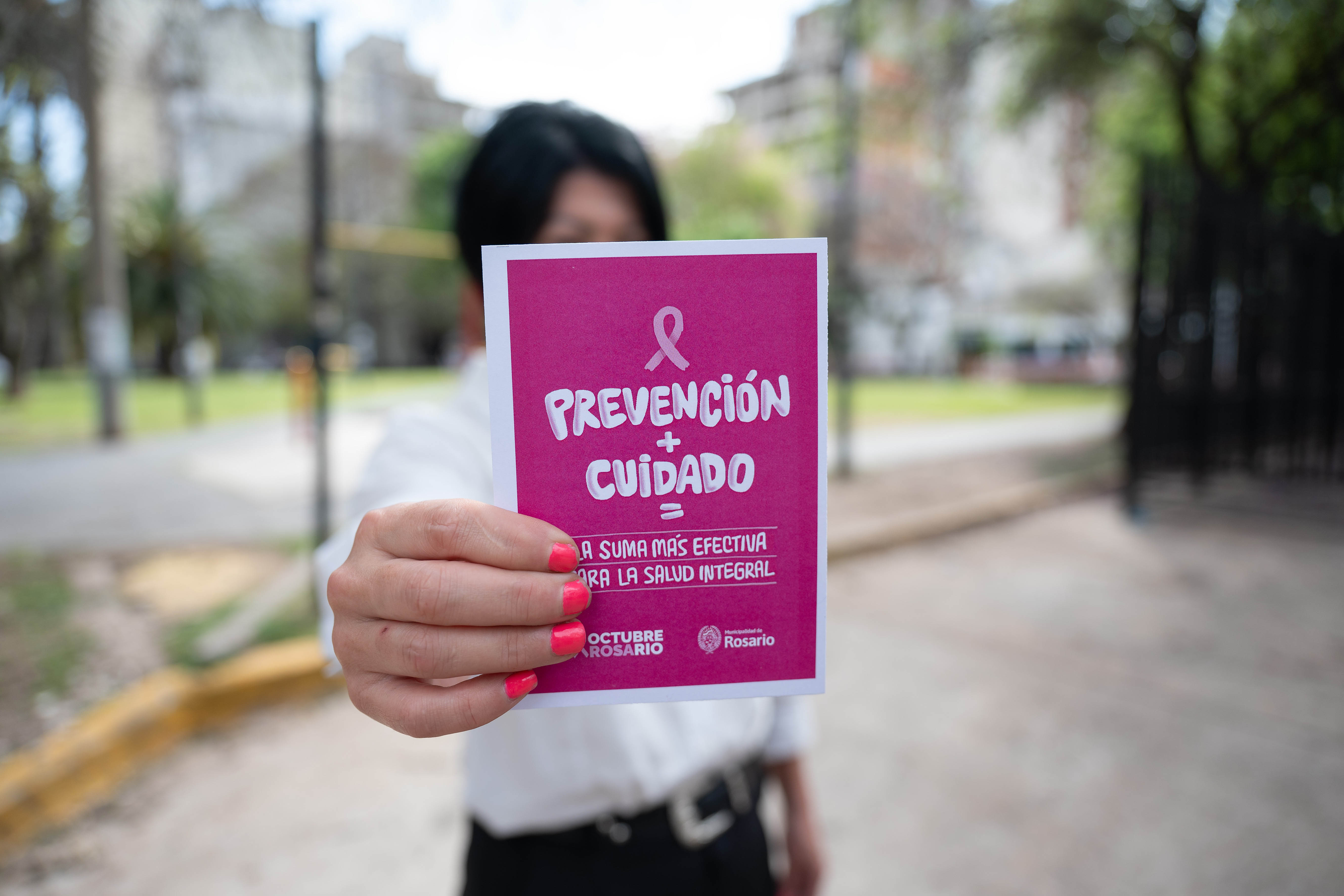
Sustained and targeted efforts to engage the population have paid off. The number of mammogram appointments at public health centers doubled in 2024 (compared to 2023), reaching a peak of 1,020 screenings per month. The proportion of women at risk who had not undergone breast cancer screenings in the past five years decreased from 56 percent in 2024 to 50 percent in September 2025.
In October 2025, municipal leaders further expanded early detection efforts by partnering with the private healthcare sector. During that month, private health centers offered 500 free mammograms to patients, without requiring prior authorization or a scheduled appointment.
“Governments, especially local ones, must combat disinformation and political polarization through reliable and transparent data management. I believe that democratic legitimacy derives, in part, from using evidence and data to make decisions and govern.”
Rosario’s approach demonstrates how data can be directly translated into lives saved. By using neighborhood-level information to guide community outreach, the municipality has improved screening rates and built a data-driven model for public health action.
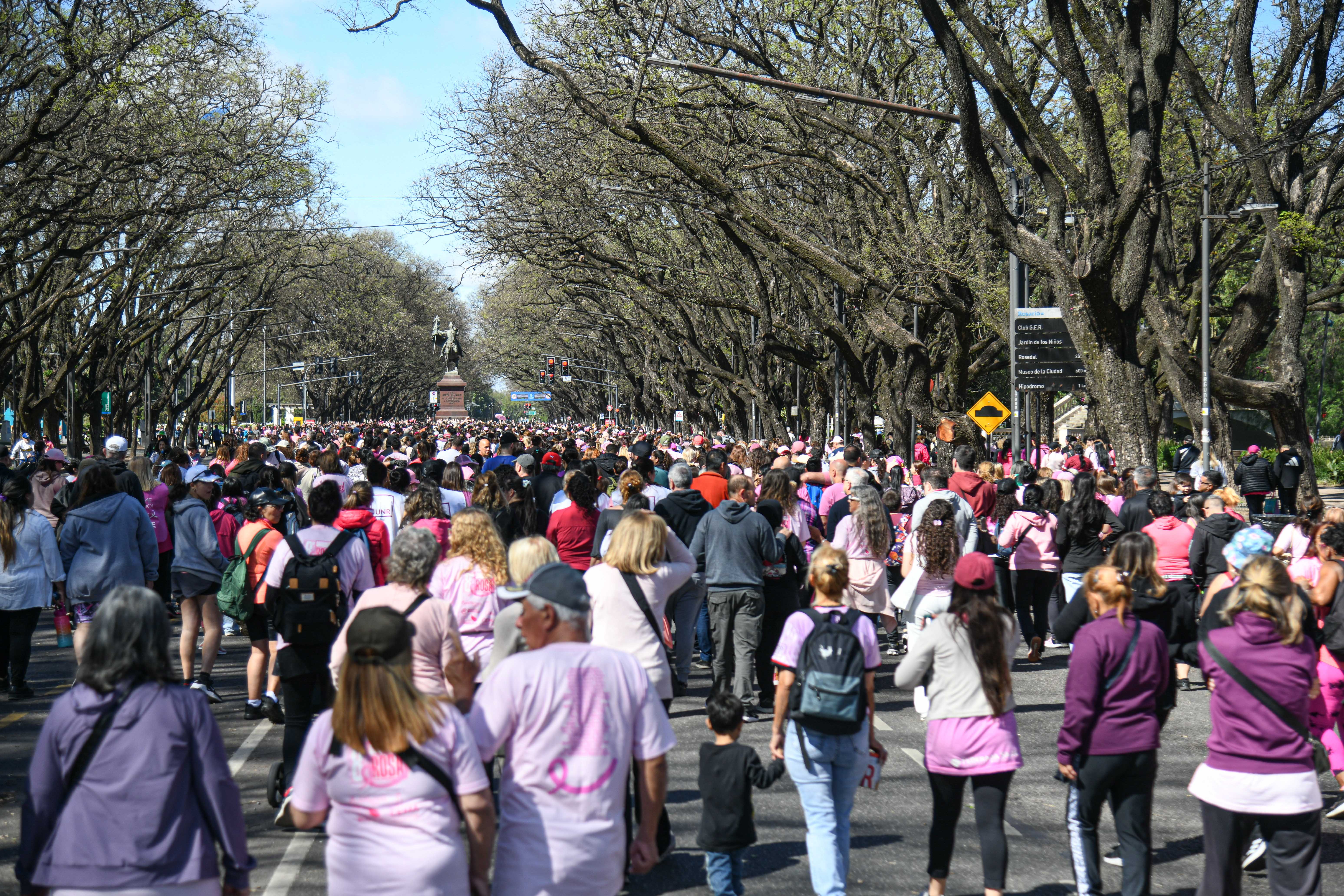
Image Courtesy of the City of Rosario.