Knoxville, Tennessee, USA
Tender Loving Care — Driven By Data
Project Type:
Community Engagement, Health and Wellbeing, Public Safety

At a Glance
Recorded no fatal or non-fatal shootings for almost 17 consecutive months in their seven-block “Tender Loving Care” (TLC) East District through sustained community engagement, cross-sector collaboration and integrated city data.
More than 750 residents served at TLC events that connect community members to local services.
Mapped social networks of suspects, victims and law enforcement agents to gain clearer insight into local crime dynamics.
It all started in Ms. Black’s front yard.
The Knoxville, Tennessee, resident was concerned about the high crime in her neighborhood and contacted every City of Knoxville department seeking support and resources. In response, the City sent representatives from different departments to Ms. Black’s front yard to discuss possible solutions.
After the meeting, city staff identified all of the fatal and non-fatal shooting incidents over the last five years and drew a boundary around the area with the highest concentration of violence: Seven blocks that became Knoxville’s East District Place-Based Strategy Zone — also known as Project TLC (Tender Loving Care) East.
In 2020, facing an increase in violent crime, the City was eager to explore more innovative public safety strategies. They partnered with the University of Maryland to learn more about evidence-based violence prevention strategies and landed on a place-based approach, among other tactics. TLC East was launched in 2023, with two more zones added in 2024.
The crux of TLC is not just relationship-building and it’s not just data. Instead, it’s a strategic investment in the combination of both.
“When I came into office, I was very frustrated with the crime statistics. These were literally life or death matters, and it was hard to measure and understand crime trends in Knoxville. Necessity is the mother of invention and today we’ve improved significantly.”
For instance, officers are assigned to conduct daily walking patrols within the TLC zones and engage with residents living inside those boundaries. At the same time, these officers are empowered by data. They add interaction information to a Sharepoint that feeds into daily and weekly crime reports. They also have a tablet-friendly internal dashboard that includes up-to-date data from the Fire department, service requests, community events and more.
“I don’t want to collect data for data’s sake. I want data to inform action, policy and budget decisions. Bloomberg Philanthropies What Works Cities Certification is a third-party review that gives us credibility that we’re on the right path and that we’re following best practices. It’s more than just lip service, it shows that we’re actually getting it done.”
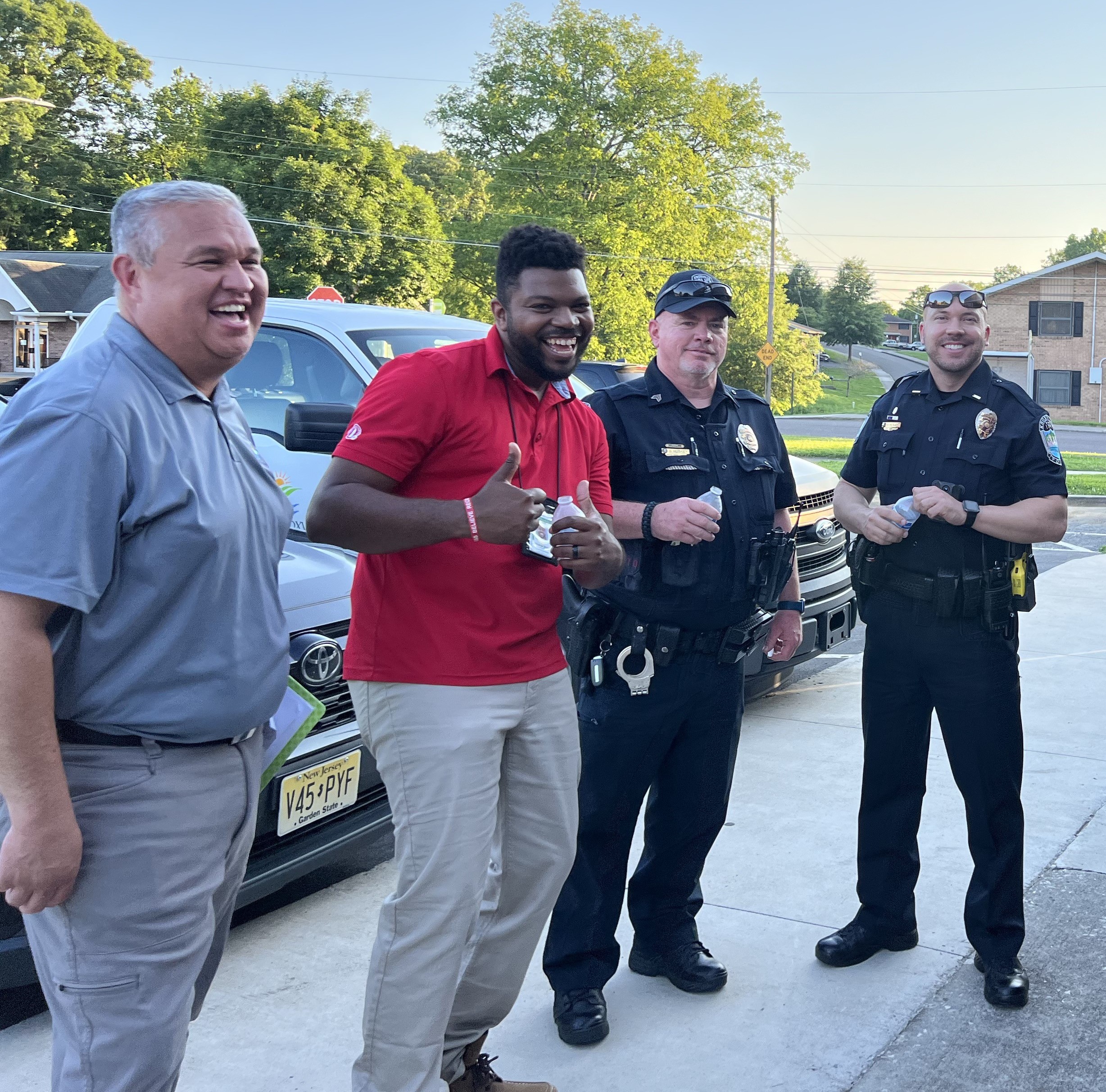
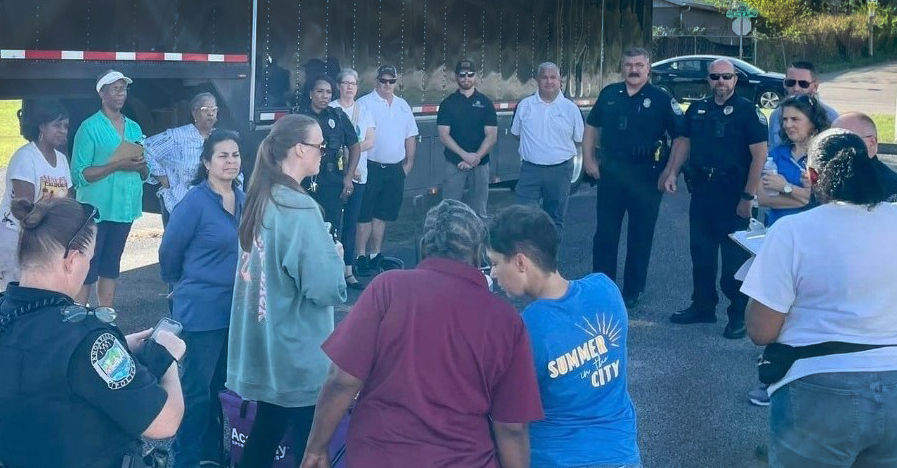
Resident engagement is key. Monthly TLC zone meetings invite neighbors to share concerns and ideas. TLC Community Bashes provide free food, activities and connect residents with local services and City departments.
At one community event, a TLC zone resident shared information about a murder. As his daughter played in the bounce house, he said he had not felt comfortable speaking with authorities before. Ongoing police presence helped build community trust.
City staff are quick to emphasize that Project TLC is not just about violence prevention. Indeed, a survey of residents found that while violent crime was a top concern, so were other quality-of-life issues such as blight, speeding and vagrancy. Today, Project TLC includes the Police and Fire Departments, the Chief of Community Safety & Empowerment, 311, Codes Enforcement, Public Service, Sustainability and Parks and Recreation — along with dozens of community partners.
Community Safety Director Lakenya Middlebrook sums it up: “No matter what community you live in, you want the same things in your neighborhood: places to play, safe streets and access to what you need day to day.”