Marinilla, Colombia
Lowering Barriers to Mental Health Support
Project Type:
Communications, Community Engagement, Health and Wellbeing

At a Glance
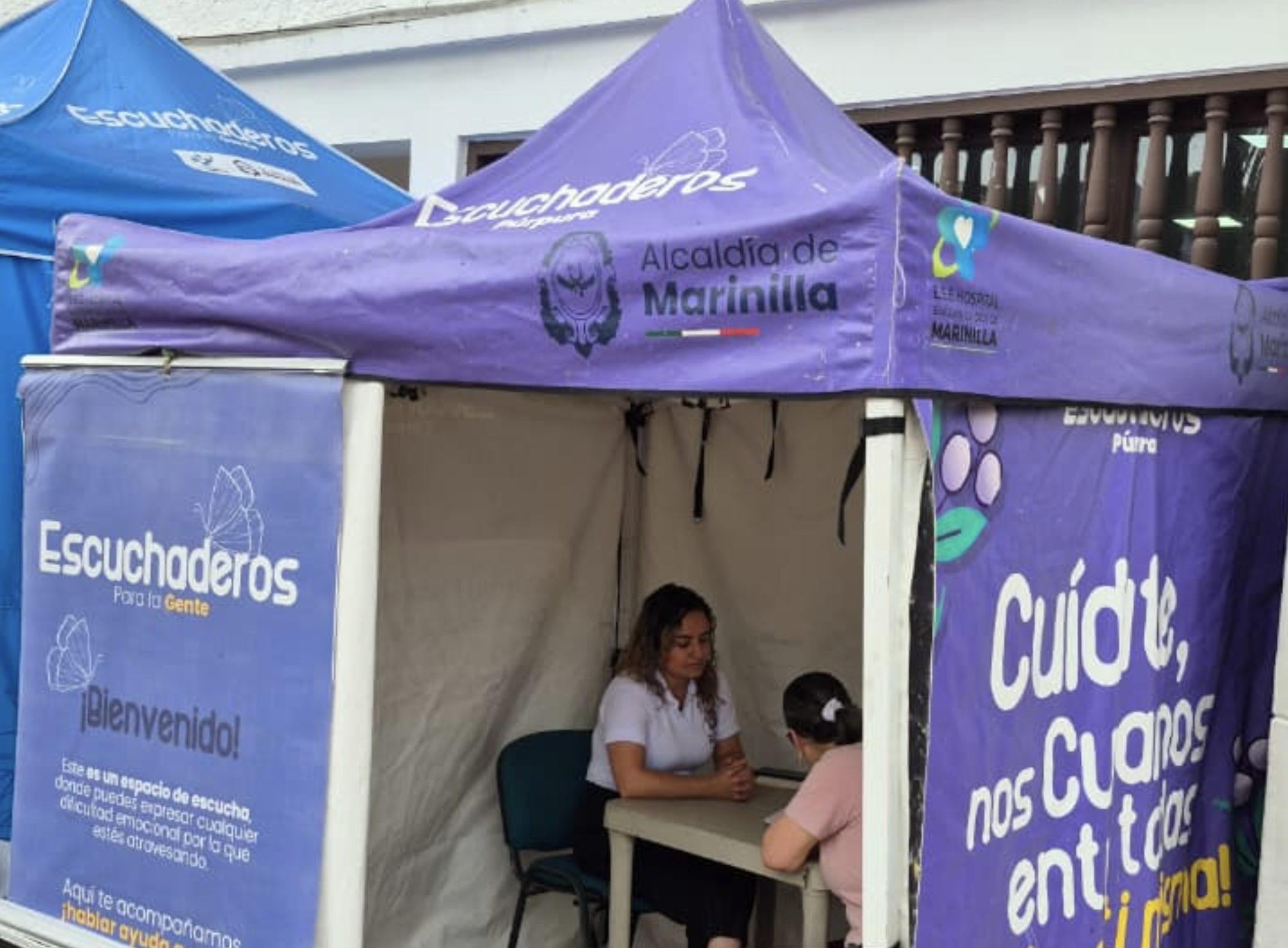
Mental health services were expanded through the implementation of mobile “listening centers” where residents can go to speak with a psychologist and obtain referrals to specialized services.
Specific mental health assessments and interventions were implemented in educational institutions, contributing to a 53% reduction in suicide attempts between 2024 and 2025, from 21 attempts per 100,000 students to 10.
Municipal data was consolidated into 30 operational dashboards that integrate quantitative and qualitative indicators to guide decision making.
The “Marinilla in Data” strategy, developed with the support of What Works Cities, helps residents understand and use public data so they can participate in decision making.
Faced with the mental health crisis brought on by the COVID-19 pandemic, municipal leaders in Marinilla developed an innovative idea. Instead of requiring residents to seek psychological support on their own, the city would bring mental health services to them.
Marinilla is a city of approximately 70,000 inhabitants, encompassing a small urban core and surrounding rural areas, not far from Medellín in the Antioquia region. Beginning in 2024, municipal leaders launched one of the mayor’s flagship initiatives: mobile “listening centers” located in schools, churches, and other frequently visited places, in addition to regular locations at city hall and two health centers.
“Many leaders believe they know everything, but we must make decisions that truly improve people’s lives. Data-driven decisions are essential. Data allows for a more efficient allocation of resources, helps prioritize investments, and increases public trust. Ultimately, it contributes to greater happiness for the people.”
“We have developed a culture of data use, which has allowed us to improve response times, prioritize decisions and determine where to invest resources.”
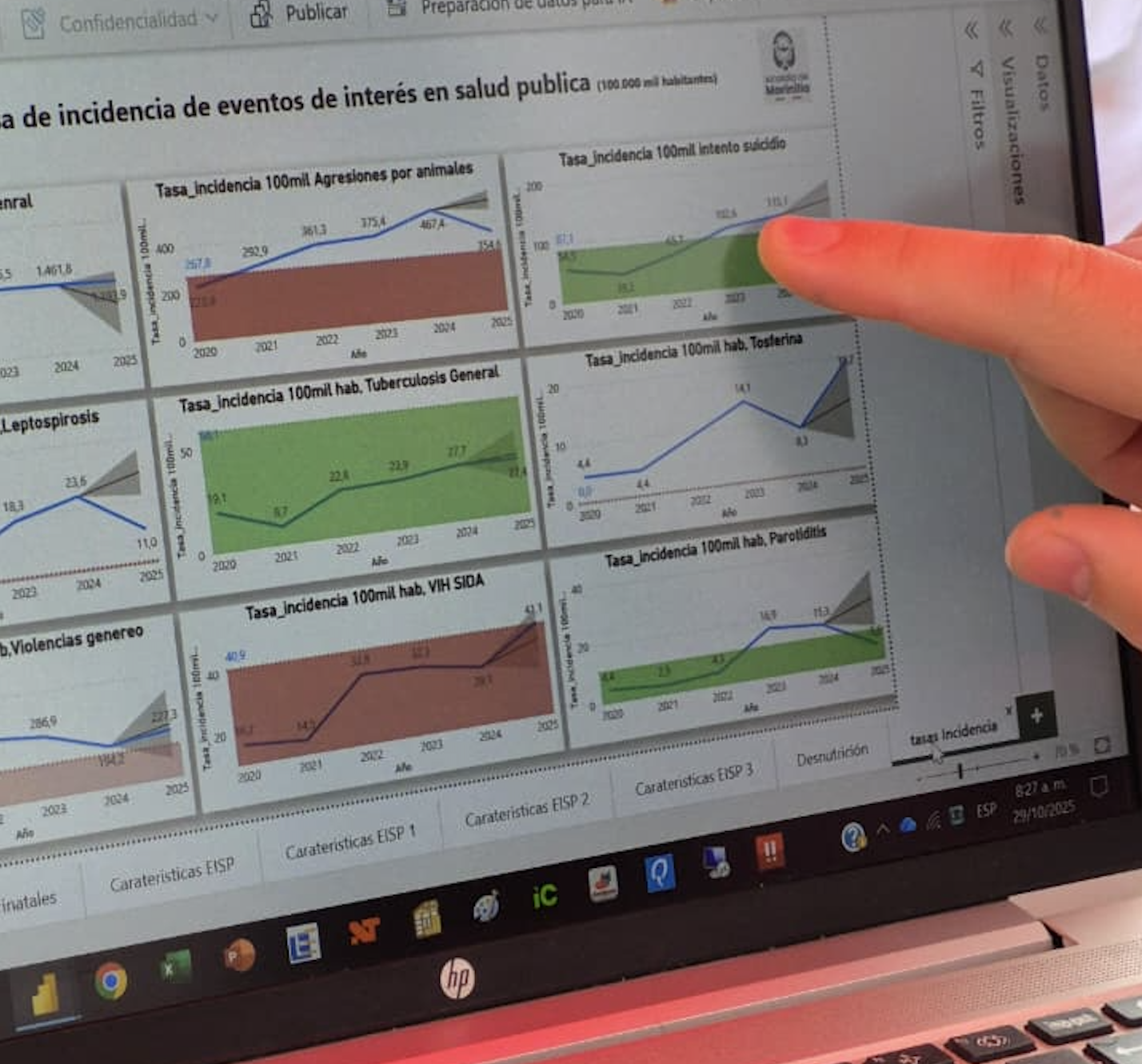
Across the city, the rate of attempted suicides decreased by 38% between 2024 and 2025, from 86 attempts per 100,000 inhabitants to 53.
At these centers, residents of all ages can schedule an appointment to speak with a professional psychologist or drop in without an appointment. Residents interested in psychological support but not yet ready to talk can leave a note and contact information in an “emotional mailbox” and receive a follow-up call from a counselor. During the first year and a half, nearly 1,200 people attended mobile counseling sessions.
Municipal leaders say that implementing services in the community in this way eases the burden on residents by addressing what can be an overwhelming or uncomfortable process of accessing psychological care. It is generally conceived as a first step. Residents leave the initial sessions with referrals for further care or services. In addition, there are special listening centers to address the concerns of women experiencing violence.
“We’ve been raising awareness that psychologists and these listeners aren’t just for people with diagnosed conditions,” says Sandra Milena Álvarez Ospina, Secretary of Health. “Anyone who needs to be heard can come.”
493 residents have attended psychological counseling sessions at one of the city's ``Escuchaderos.”
This approach is part of a broader suicide prevention strategy, based on ongoing data analysis. Young people are a key focus. Municipal leaders collaborated with psychologists to design an evidence-based diagnostic instrument to measure suicide risk among high school students and created a dashboard with various variables to identify populations at high, medium, and low risk of suicide. They developed specific interventions for each group, reserving the most intensive treatment for those at highest risk. For example, high-risk cases received personalized and intensive treatment, while lower-risk populations received educational sessions and coping strategies. In addition, peer support groups were created for at-risk populations and their families.
These efforts are yielding results. Among students, the number of suicide attempts decreased by 53% between 2024 and 2025. Overall, suicide attempts in the city have decreased by 38%. Jader Osorio, an epidemiologist at the health department, put it simply: “These are extremely positive results.”