Quito, Ecuador
Caring for a City’s Most Vulnerable Children
Project Type:
Community Engagement, Health and Wellbeing, Youth Development, Education
At a Glance
95 child development centers operating in Quito as of December 2025.
Approximately 9,000 children served by Quito Wawas during 2024 and 2025.
The fire department’s average response time to calls was reduced from 9-10 minutes to less than four minutes.
The Quito Data Hub identified hotspots of conflict among residents, allowing the city to intervene proactively in priority areas, contributing to a 12.9% reduction in complaints, conflicts and offenses.
The research is clear: a healthy early childhood, full of love and learning, lays the foundation for success in life. However, in Quito, many young children do not receive adequate nutrition. 18% of households with children under five live in poverty, and nearly a quarter (23.3%) of children under two suffer from chronic malnutrition. Determined to address this situation, in 2023 the Metropolitan Municipality of Quito decided to significantly strengthen the free childcare, nutrition, and health resources it offers to vulnerable young children.
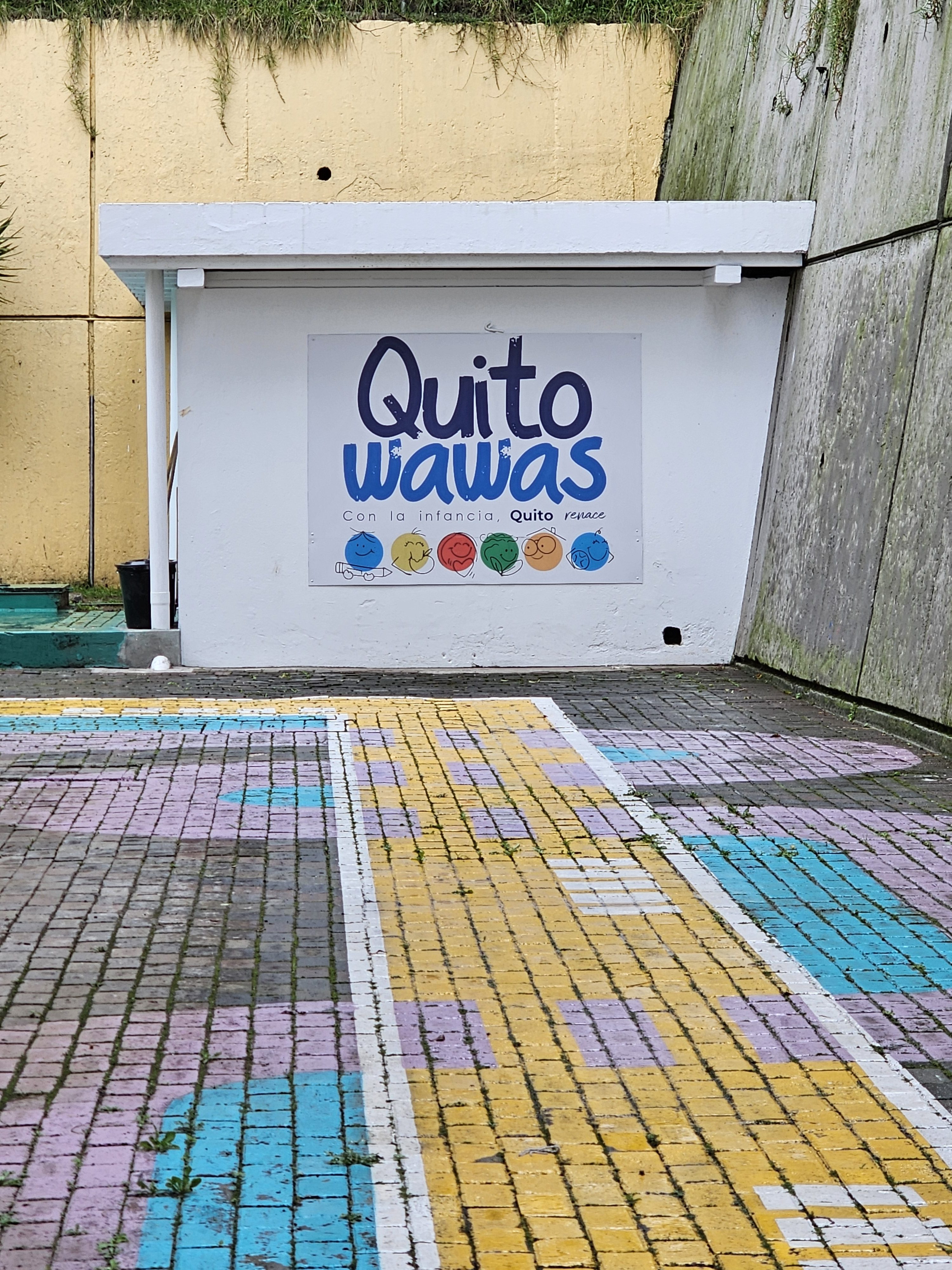
As part of a new Metropolitan Early Childhood Public Policy that sets goals and coordinates services across all agencies and neighborhoods, the City set out to establish 95 “Quito Wawas” early childhood development centers throughout the city by the end of 2025. “Wawa” means “young child” in Ecuador. Each center would provide children aged 1 to 3 with high needs with stimulating and safe care, as well as ongoing health and nutrition support.
To prioritize the location of the Quito Wawas, the City thoroughly analyzed demographic and nutritional data. The analyses revealed areas with the highest concentration of low-income and malnourished children, those most in need of targeted resources to support a healthier early childhood. In collaboration with non-profit organizations and local government agencies, city leaders strategically located the Quito Wawas to avoid service saturation in any single neighborhood.
“For every dollar we invest in early childhood, we get a return of up to $17.”
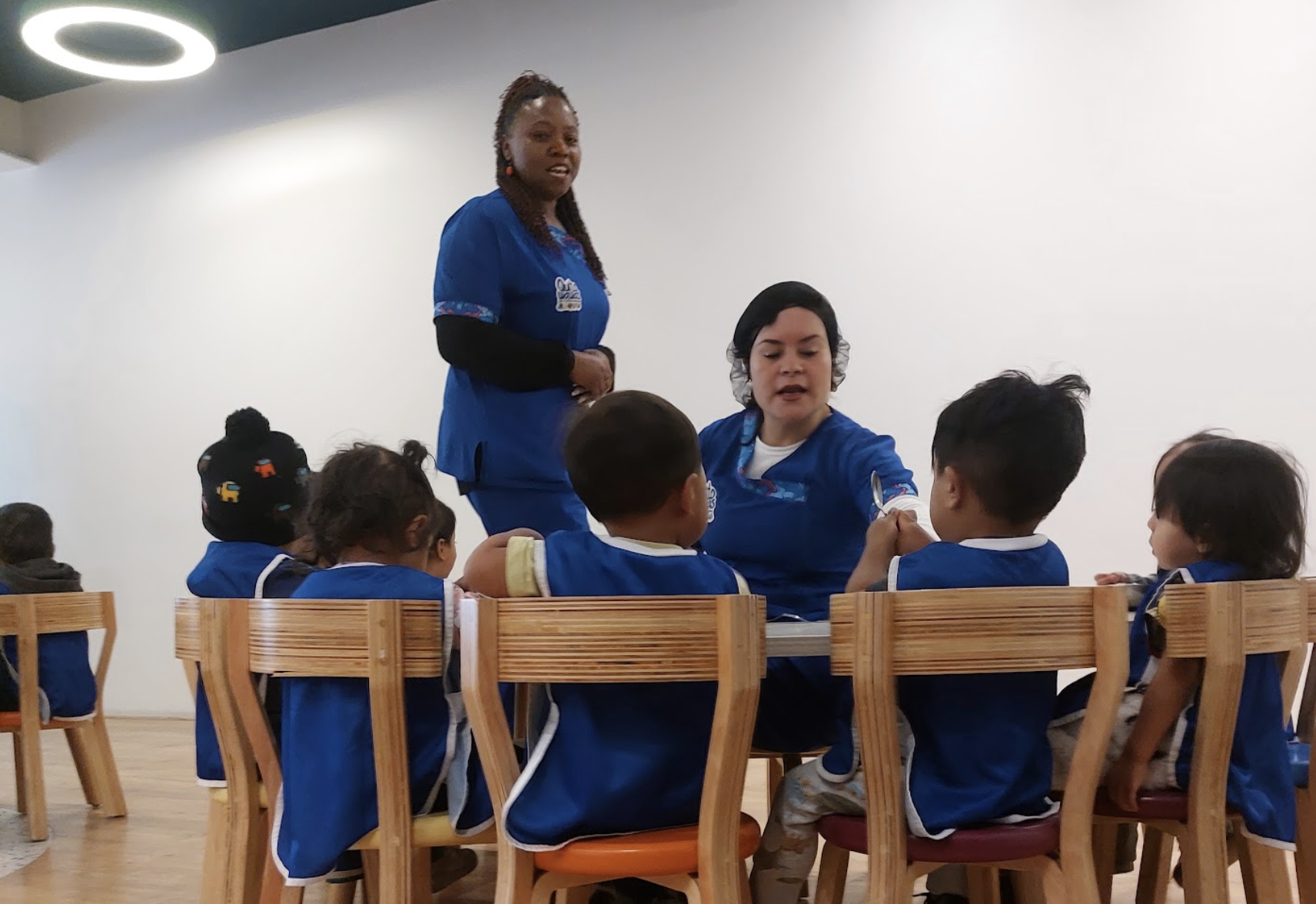
Today, thousands of young children with high needs are enrolled in 95 Quito Wawas, receiving high-quality care daily. The City Council uses intake forms to collect data on each prospective child, prioritizing the most vulnerable with the greatest barriers to nutrition, education, and basic services. The Quito Wawas are just one component of Quito’s Early Childhood Public Policy; the city council provides support and education to children from infancy through adolescence. In 2025, the number of children transitioning from Quito’s Wawa centers directly to a Municipal Early Childhood Education Center (for children up to 5 years old) increased from a dozen cases in 2024 to hundreds of children in 2025.
In June 2025, the city launched Wawamor, a free application developed in collaboration with UNICEF to support positive parenting for caregivers of children aged 0 to 6. The app offers hundreds of practical resources on nutrition, vaccination, early learning, and other topics, all available offline. By October, it had more than 13,000 downloads.
Quito’s comprehensive early childhood policy is a pioneering initiative among cities in Ecuador. After just two years of implementation, the benefits are evident. A greater number of vulnerable young children in Quito are now receiving the nutrition, healthcare, and stimulating care they deserve, helping to lay the foundation for long-term success..
“[Quito Wawas El Tejar] is spectacular. Here my daughter can be herself, grow, and learn with love and affection. I am deeply grateful.”
“If you want to understand the value of a public policy, you must be willing to analyze the data carefully, almost like before-and-after photos. It is essential that the data is available and actionable, so that if something goes wrong, it can be corrected.”