
2026 Data Champion
Marcela Pereira
Former Executive Secretary of Planning and Management
Recife, Brazil
With data‑driven decision‑making, we in the public sector can reach people who need it most.

Why did you join your city government?
The reason I went into public service is my love of solving problems. Since I was a child, I always watched what was happening around me and saw many problems in my city. Inequality is record breaking in my country; Recife is a very unequal city, Over time I experienced some privileges in my path, as a professional and as a student, and I carried that with me: I studied communications and also law, and going into public management was an opportunity to address problems I’d been observing, from the inside out. Working in public management I can look for solutions through planning and through a short‑, medium‑ and long‑term vision.
What keeps you going on tough days?
I think what keeps me going is the results for people. It’s really good to see day‑to‑day efforts turn into something close to you—something that has been a challenge you’ve seen your whole life and now is much better.
When you think of your city’s successful use of data, what are you most proud of?
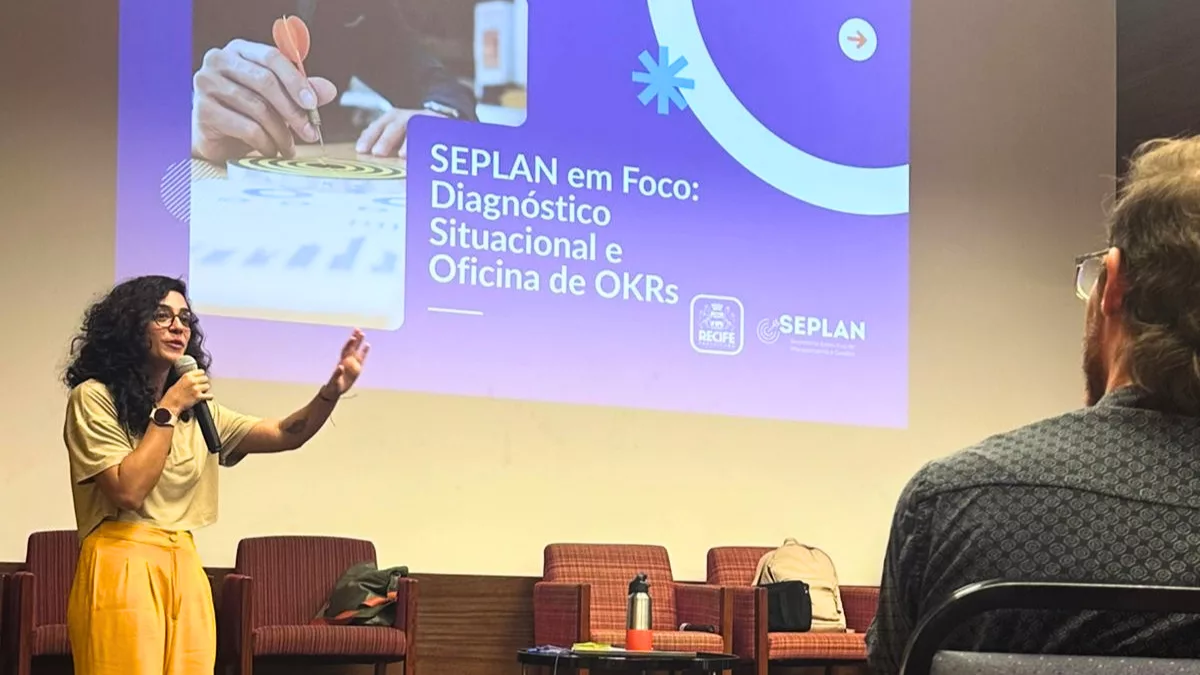
With data‑driven decision‑making, we in the public sector can reach people who need it most. What makes me very proud is seeing public facilities and public services reaching the outskirts of the city, the favelas and getting closer to the people in vulnerable situations. All of that is grounded in data, analyses and studies, not in individual views, which is how things often worked in the past. Being able to study the territory, study the vulnerable population and use that to identify public‑sector interventions — that’s what motivates me.
Describe a specific problem you were trying to solve in your city. How did data guide your work and decision-making?
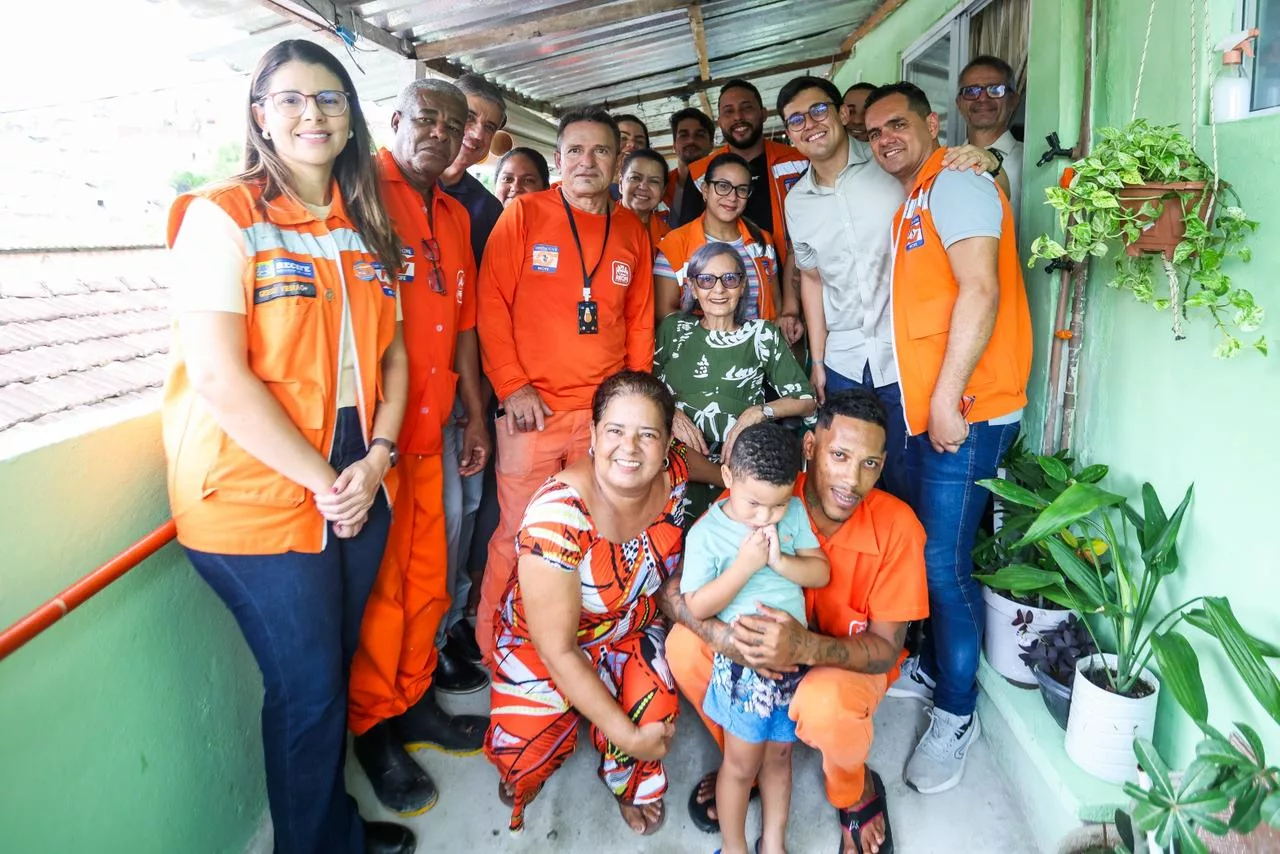
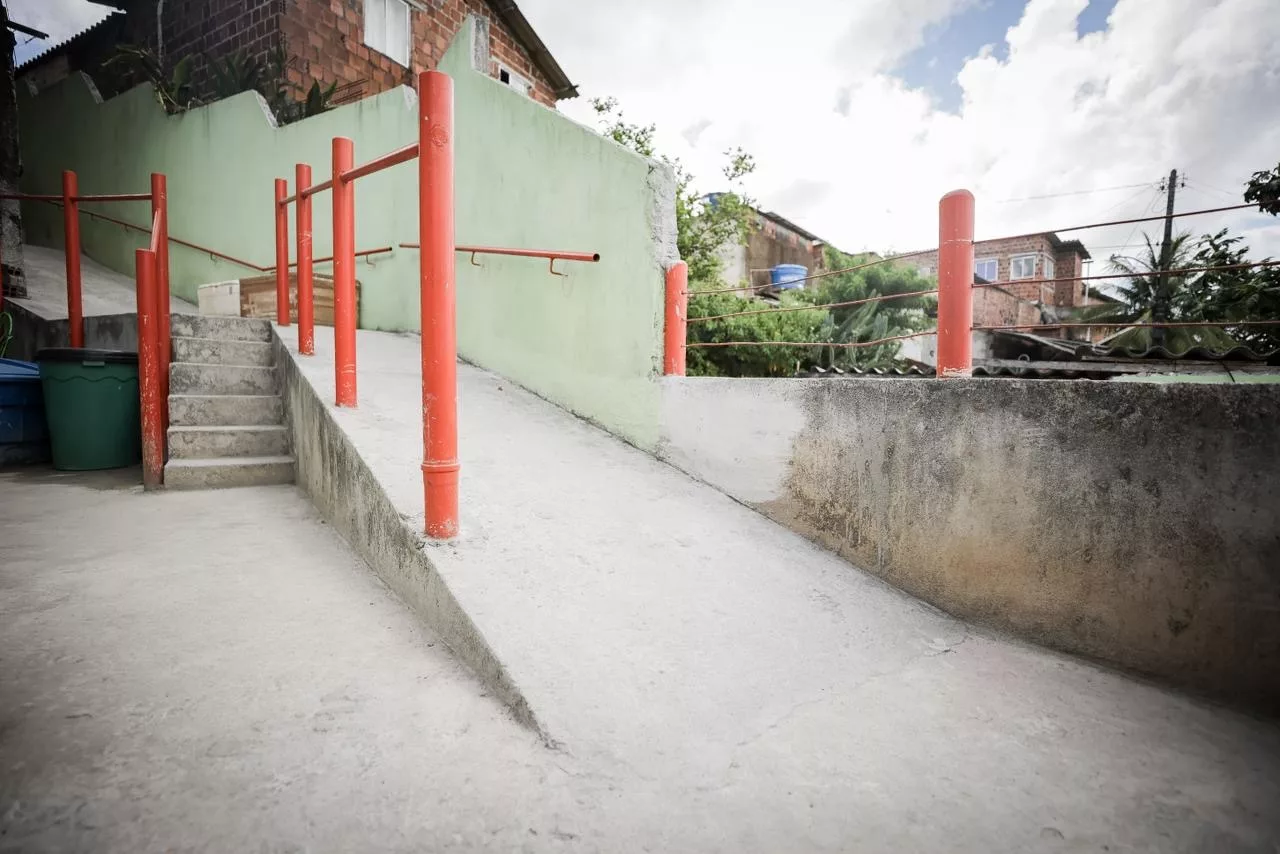
At the end of last year we worked on a housing improvement program. When it was conceived a few years ago there was no consensus about its target population, what the governance model would look like, etc. We worked both on institutional coordination and organizing relevant information. Our big breakthrough was developing a dashboard where we analyzed data about vulnerable populations, especially those who live in low-income communities, the favelas. We used data from a federal Brazilian government database and geo‑referenced that data across the city. That way we could see which families were in vulnerable conditions and what improvements they needed in their homes, for example whether the home had flooring, windows or a bathroom. We could also see details about the households’ demographics. We included that in the dashboard, including the estimated costs of each improvement that family would need. We brought the tool to the mayor, and he was able to make a decision in an hour about something that had been stuck for years. He decided who the target population and investment would be. The program was named “Casa Sem Barreiras” (“Home Without Barriers”) and it became aimed at wheelchair‑using children and adults. The first beneficiary was a child, and the video of him made me cry when I saw that his home would be renovated. It’s an example of institutional efforts leading to a program in just a few months. Seeing results so quickly makes it very clear how data‑based tools can guide decision‑making.
What lessons have you learned that other city leaders might find helpful?
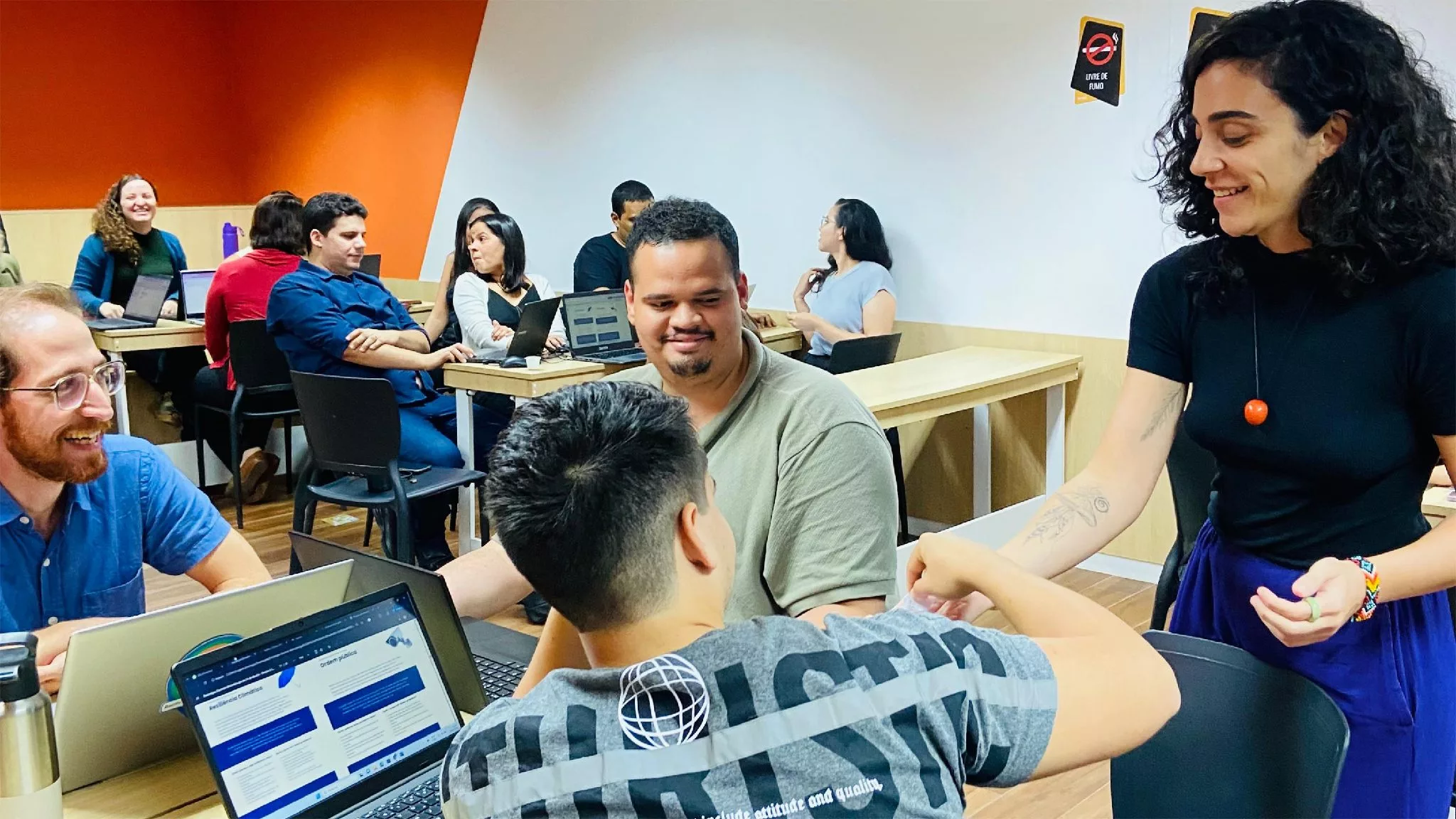
I think the big lesson is constantly spreading a culture of data. It can’t stop; it can’t be a one‑off. It has to happen consistently, continuously. It’s about reinforcing the message that data is important and sharing really concrete results—that’s how we can convince senior leaders, and people working on the front lines, that they are the foundation for all of this. Beyond the culture itself, there needs to be firm work on processes and building an understanding of how to structure operations from data collection through to analysis.
What did achieving What Works Cities Certification mean to you and your city?
I think it was absolutely fundamental for speeding things up. There had always been efforts to improve data use, but the What Works Cities Certification process gives you direction so that things happen much faster. The outside perspective of an institution like Bloomberg Philanthropies is very important for helping us understand what we’re already strong at and what we still need to improve. Since I took part in Recife’s first Certification process and then in the second, I had the privilege of seeing how things progressed. In that two‑year span, a lot moved forward: we had many more processes consolidated, documented, institutionalized. The power of this Certification is very much in helping you systematize things, make them more “round,” as we say in Portuguese—more complete—so that everything works better and involves different departments. It’s an enormous lever for better defending the importance of data in public management.
What’s next for your work—and how do you hope to keep using data?
I’m now working in the government of Pernambuco, and the challenge is simply much bigger, in proportion to the size of the territory. The State of Pernambuco is about the size of Portugal, with a huge variety in geography and climate. We have the fourth‑largest Indigenous population in Brazil. I want to make sure data is used to better understand the territory and populations, and so that the state’s decisions and public policies are always grounded in the knowledge that this data foundation provides.
Where should people visit in Recife?
People should go to Recife Antigo, which is where our historic city. There you can see the sea, the rivers, the bridges, the old buildings — our whole history is essentially there in Recife Antigo. Within Recife Antigo there is Porto Digital, which is the city’s major tech hub. It has been becoming a Latin American reference for startups and technology companies. It’s the place to go, because you get beautiful scenery, fun and also a lot of innovation.