Jesús María, Argentina
How Data Helped Jesús María Cut Dengue Cases In Half
Project Type:
Technology, Health and Wellbeing, Community Engagement

At a Glance
Used data to detect trends in dengue cases and design targeted prevention strategies in high-risk neighborhoods.
Reduced the number of dengue cases from 325 in the 2023-2024 season to 161 the following year.
Merged two primary healthcare centers based on data showing that the measure would be more efficient and improve services.
Implemented a digital health appointment system, drastically reducing patient waiting times and increasing patient satisfaction.
Like many cities in Latin America, Jesús María has seen a surge in dengue cases in recent years, as warmer, wetter weather brings this mosquito-borne disease to new territories. The city government is using data to combat it.
During the 2023-24 dengue season, the city of 40,000 inhabitants in inland Argentina recorded 325 confirmed cases. Municipal authorities analyzed this data to determine where the disease, which causes high fever, severe pain, and sometimes death, was concentrated. They discovered that just a few neighborhoods accounted for the majority of cases, including one where 37 percent of the cases were located. A likely culprit: stagnant water creating breeding grounds for mosquitoes.
The following year, local health authorities stepped up their response. Before the 2024-25 dengue season, they visited homes in the hardest-hit areas to encourage residents to clean up bottles, tires, and other objects that could collect stagnant water where mosquitoes lay their eggs. They then conducted random visits to homes in these neighborhoods to look for signs of mosquito activity, and targeted fumigation was carried out in the affected areas.
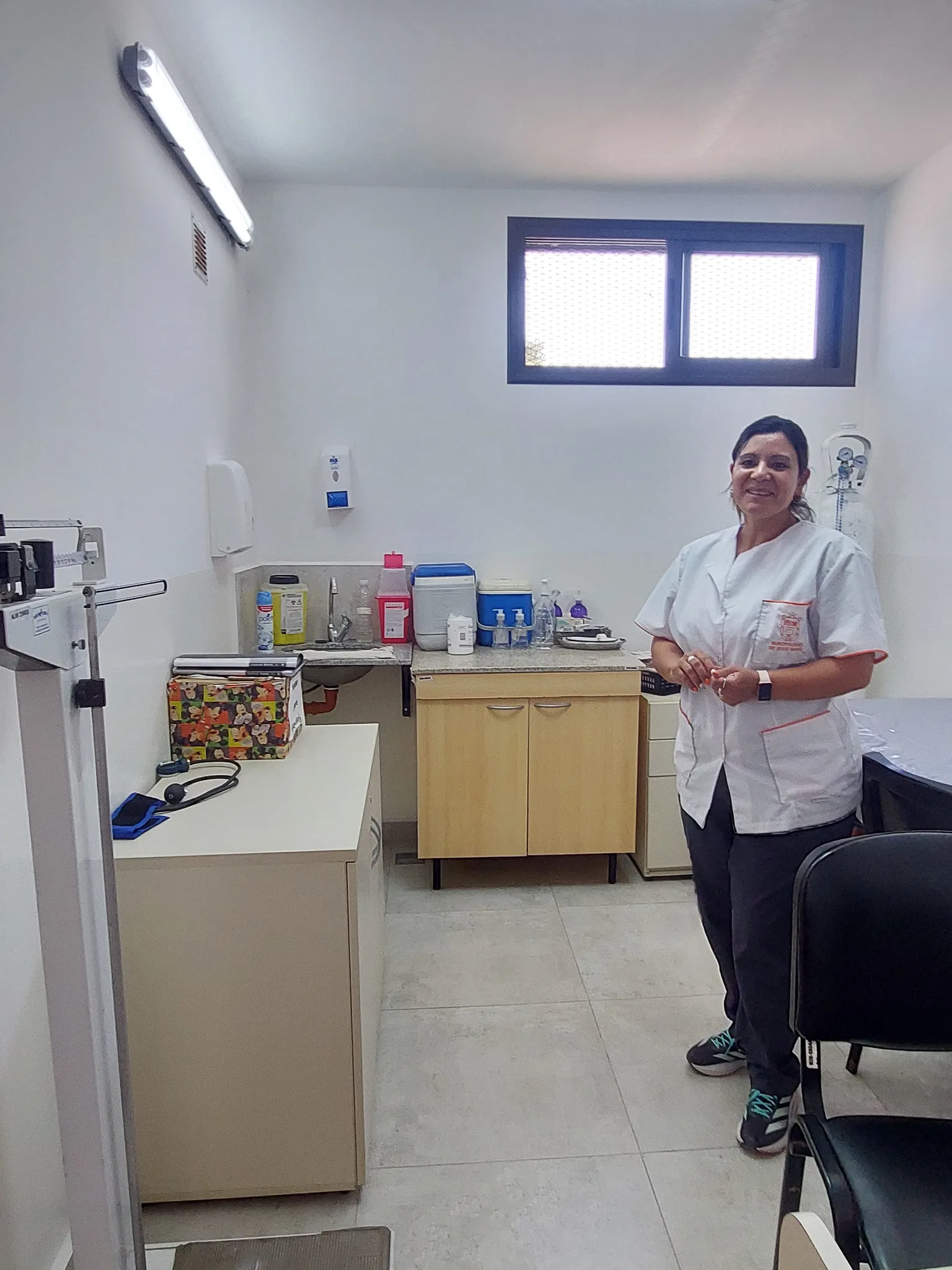
7,283 households were reached with dengue prevention strategies between 2024 and 2025.
“We have begun to create an organizational culture around data collection and analysis, where public policies are designed not based on our intuition, but on objective data.”
The proactive approach worked: the total number of cases in the city during the 2024-25 dengue season was cut in half, to 161. Another positive sign is that the neighborhood that had previously been the epicenter of the dengue crisis became the area with the lowest incidence of cases in the city.
The dengue control effort in Jesús María was just one part of the city’s broader effort to use data to reform local government, particularly in healthcare. For example, the city implemented a digital appointment system and evaluated its effectiveness, finding that it helped reduce wait times from 45 to 18 minutes and that 85% of residents were satisfied with the system.
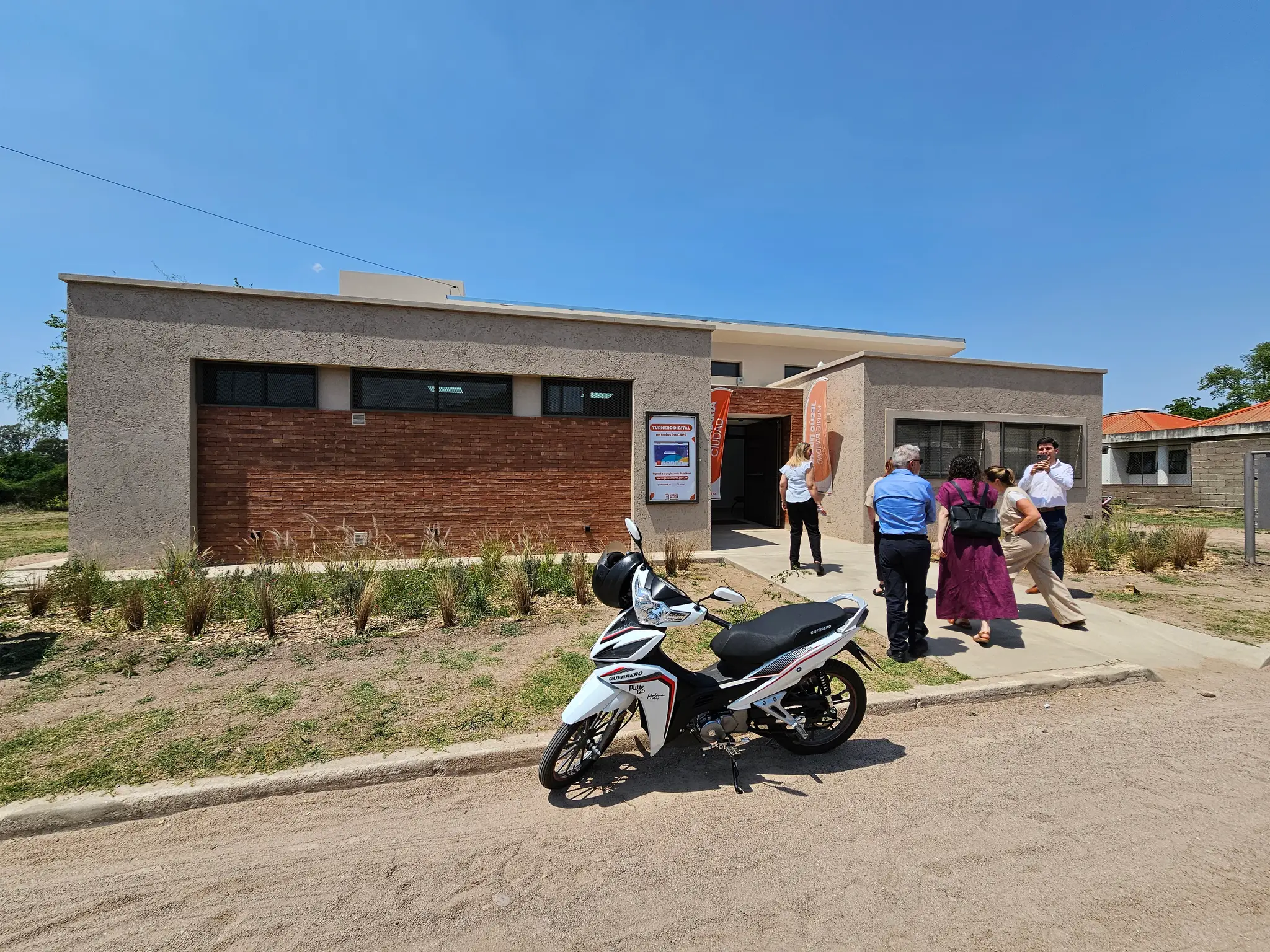
Data analysis also contributed to the recent decision to close a community health center and integrate its operations into a larger center located 600 meters away. The data clearly showed that the now-closed center served relatively few patients and had high operating costs. Merging the two centers saved money, extended operating hours, and did not negatively impact the quality of care.
“We were able to demonstrate to the community that we were creating something much better by extending the hours,” says Mayor Federico Zarate. “When we presented the data, there was no way to refute it. It was more efficient and represented a substantial improvement for the entire area.”
“We have the responsibility to improve the quality of life for 40,000 people. If we make our decisions based on a feeling instead of objective data, that is absolutely irresponsible.”