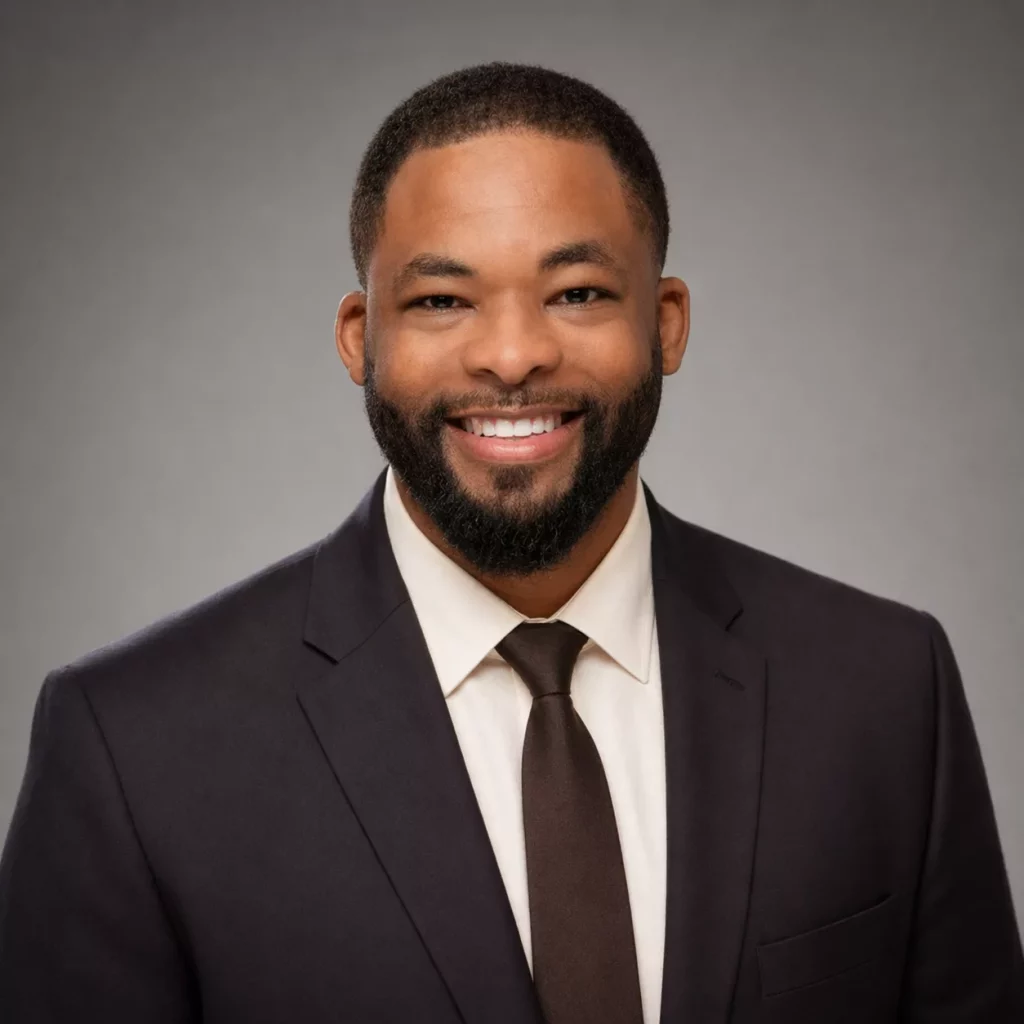
2026 Data Champion
Agbonlahor Edomwonyi
Head of Data & Digital Innovation
Newark, New Jersey, United States
It’s important to have a rapid response team and processes in place to address new technologies, be able to do research around what the technologies can do, and then properly set your ordinances, laws and regulations to govern how the technology interacts with the constituency.
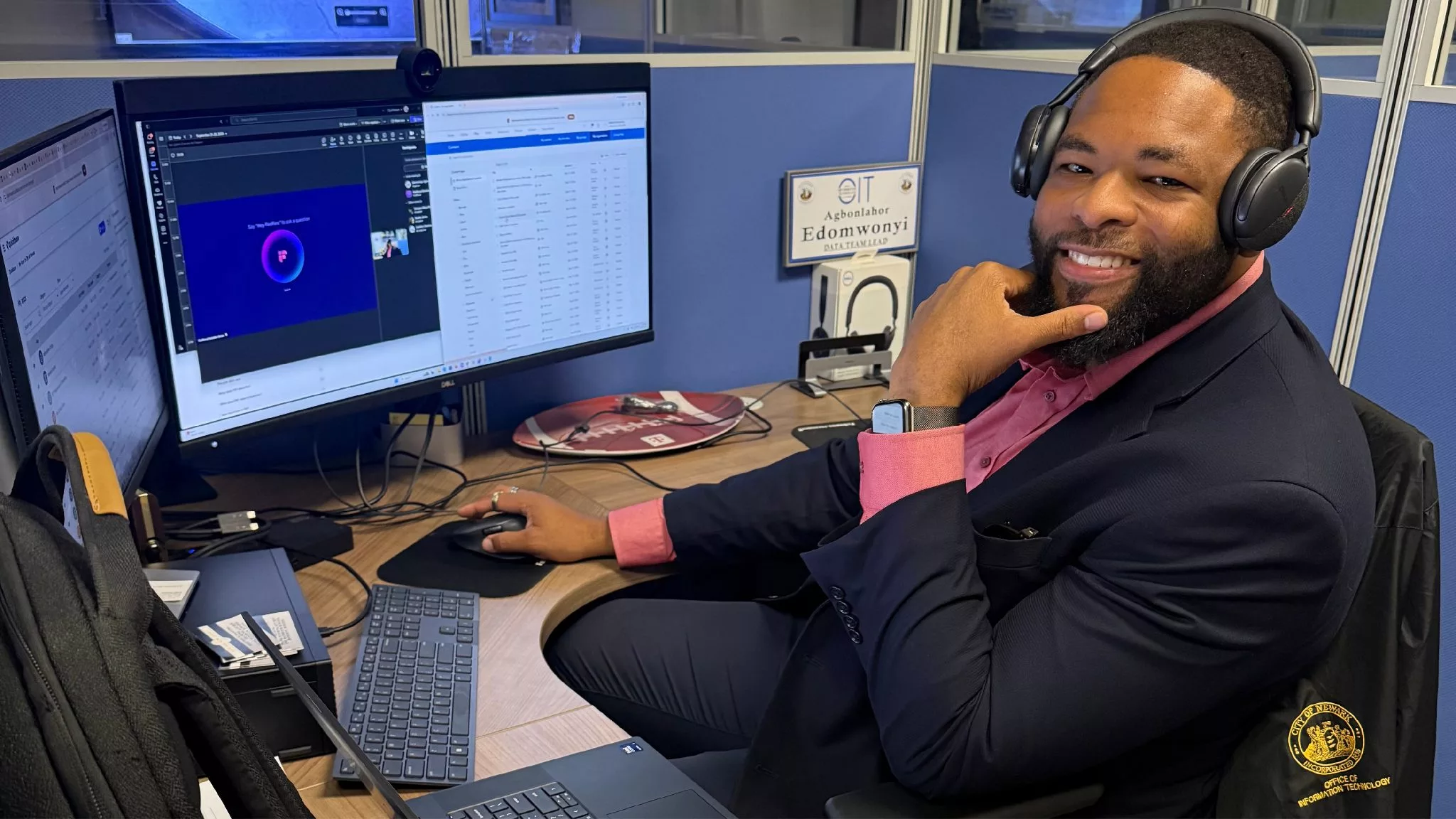
Why did you join your city government?
I joined city government because growing up, I always had respect and admiration for the work that people do within government. There are a lot of very hardworking, very dedicated people who do it for the love of public service. On tough days what keeps me going is interaction with the public: when I’ve done work, whether it’s something small or big, and I’ve seen it have a positive impact on people’s day-to-day lives, I remember the feeling that the people had. It reinforces my belief in the service aspect of public service.
When you think of your city’s successful use of data, what are you most proud of?
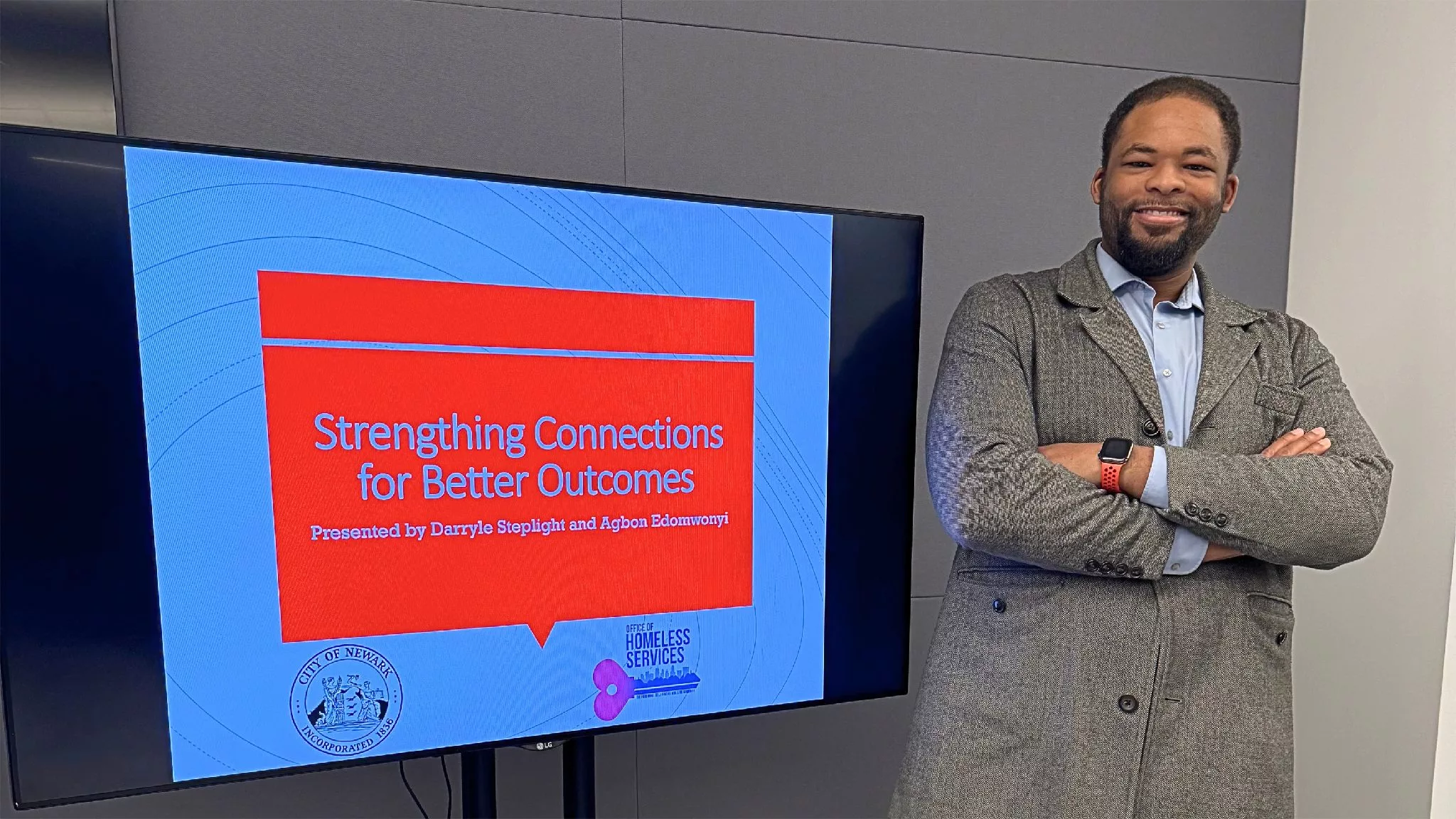
We recently put together a homeless services platform. We have a street team that goes out to contact homeless individuals. They came one day and said, “This is our process. Is there a way we can improve what we’re doing?” We found that the bottlenecks were when they meet an unhoused individual, they need to get in contact with a shelter, check that they have a bed available, check if the criteria of the unhoused individual matches the criteria of the shelter, and then figure out how to get them there. Let’s build a system that the city, shelters and drop-in centers use that serve as third-party systems that can process unhoused individuals. By putting everybody in the same system by allowing the system to feed as much data from the shelters as possible and from the drop-in centers as possible, we were able to cut down the process time of placing individuals from the street to a shelter location from several hours to about 30 minutes.
Describe a specific problem you were trying to solve in your city. How did data guide your work and decision-making?
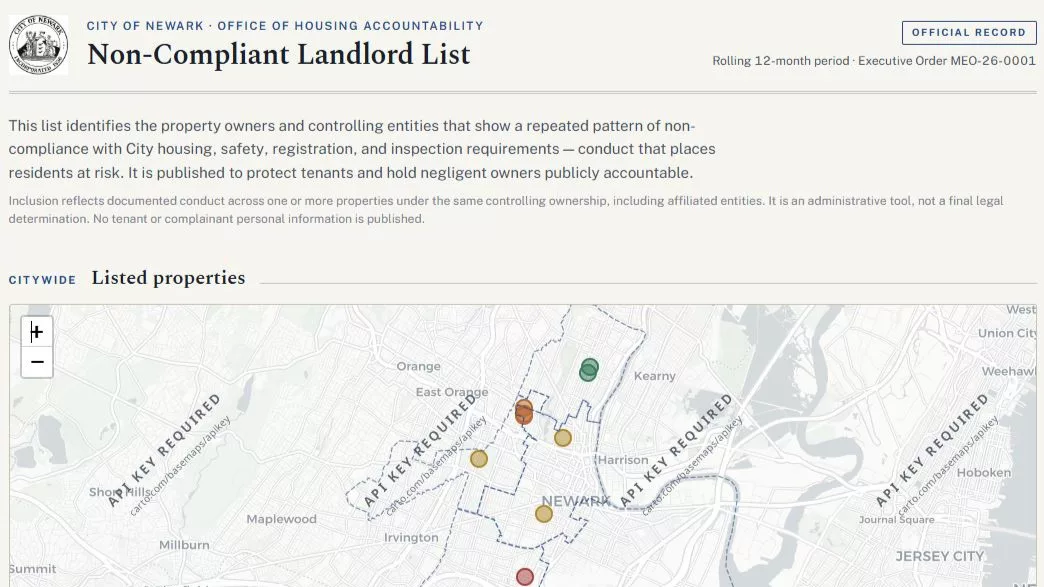
The mayor put together a task force for non-compliant landlords. He wanted to create a list of these landlords so that they could address the issues that landed them on that list, and allow them to resolve some of the issues that had come up with the city. So we had to figure out, how do we get people on this list? What criteria are we looking for? What data backs it up? We looked at 311 complaint data, code violations, data from code enforcement officers, court cases and data from the Office of Tenant Legal Services. By taking all that data and working almost against anecdotal bias and really applying some statistical methods, we were able to narrow it down to a list of very serious offenders, and from that we got the non-compliant landlords list. That’s really something where the data has really been fantastic in helping us address this problem. I always believe that there are things that the government initiates with the intention that they will sunset at some point. Our hope is that in the future we will not have a non-compliant landlord list.
What lessons have you learned that other city leaders might find helpful?
I would say we are living in the most rapidly advancing technological age of human history. For government, that means that there are constantly new technologies, but also new services that are appearing every day that are sometimes unregulated. At the federal and municipal level, it takes an active and proactive group of people to make sure that the government has a handle on these things and they don’t interact negatively with the public. Using the data you have, I think it’s important to have a rapid response team and processes in place to address new technologies, be able to do research around what the technologies can do, and then properly set your ordinances, laws and regulations to govern how the technology interacts with the constituency.
What did achieving What Works Cities Certification mean to you and your city?
During the course of my work, it’s just: what’s the next project? What are we trying to accomplish, what are the initiatives coming up? Achieving What Works Cities Certification allowed us a chance to reflect and solidify plans to grow our data usage. It really gives a chance to really step back, analyze what we’ve done, and then use that to augment the plans that we already had in place. It really meant a lot to the city. It was good validation for the mayor’s vision and good validation for the people that he put in place and the work that they’ve been doing.
What’s next for your work—and how do you hope to keep using data?
I’m excited about the growth of autonomous technologies. There’s a real avenue for positive applications for all Newark constituents — particularly some of the most vulnerable — whether that is automated ride technology, delivery technology, or some of these uses that are popping up. We want Newark to be a digital leader, not just in the state, not just federally, but worldwide. So we’re really trying to make sure that we are utilizing data for the technology that’s coming, and governing its use in a way that makes it as equitable and accessible as possible.
Where should people visit in Newark?
New Jersey is the Garden State. We have a ton of gorgeous parks in the city: Riverfront Park, Weequahic Park, Branch Brook Park, West Side Park. I’ve been very happy to see local government putting in the effort to improve them. It’s really a “build it and they will come” situation — improve it and they will also come. If I had to pick my favorite it would be Weequahic Park because I grew up near it. The park has had a ton of renovations: it has a beautiful track that goes around a gorgeous pond with a huge waterfall in the middle, with football and baseball fields.