2026 Data Champion
Josh Ferguson
Performance Analyst
Office of Analytics, Innovation, and Data
Alexandria, Virginia, USA
Our purpose is support, not accountability. We’re not trying to hold people’s feet to the fire, we just want to support the goals and projects that other teams are working on.
Why did you join your city government?
I was always really interested in cities. I found them captivating, but going through college I didn’t fully understand the options in government. I got lucky with city government internships early on and found that to be such an interesting experience in which you’re dealing with real serious problems and challenges, but at a level you can really make an impact. There is no lack of tricky, interesting questions and challenges, but you don’t feel so removed from solutions.
What keeps you going on tough days?
My role in our analytics and innovation office is to help other people who are helping people. Rarely am I on the front line of delivering services — I’m not picking up trash. I’m not shoveling snow — but I’m making it easier for the people who are doing the really good work for the community. Supporting other people makes it easier on days that are frustrating or when things are not going as smoothly.
When you think of your city’s successful use of data, what are you most proud of?
I’ve been here about four years and over that time I’m most proud of how we work with pretty much every department and help build that culture of data and evidence. When we submit for What Works Cities Certification, it’s a reflection of so many different people’s work. That’s the thing that’s been developing over time. So the slow, gradual work of building up a culture that supports data and evidence feels more impactful than any one singular project.
Describe a specific problem you were trying to solve in your city. How did data guide your work and decision-making?
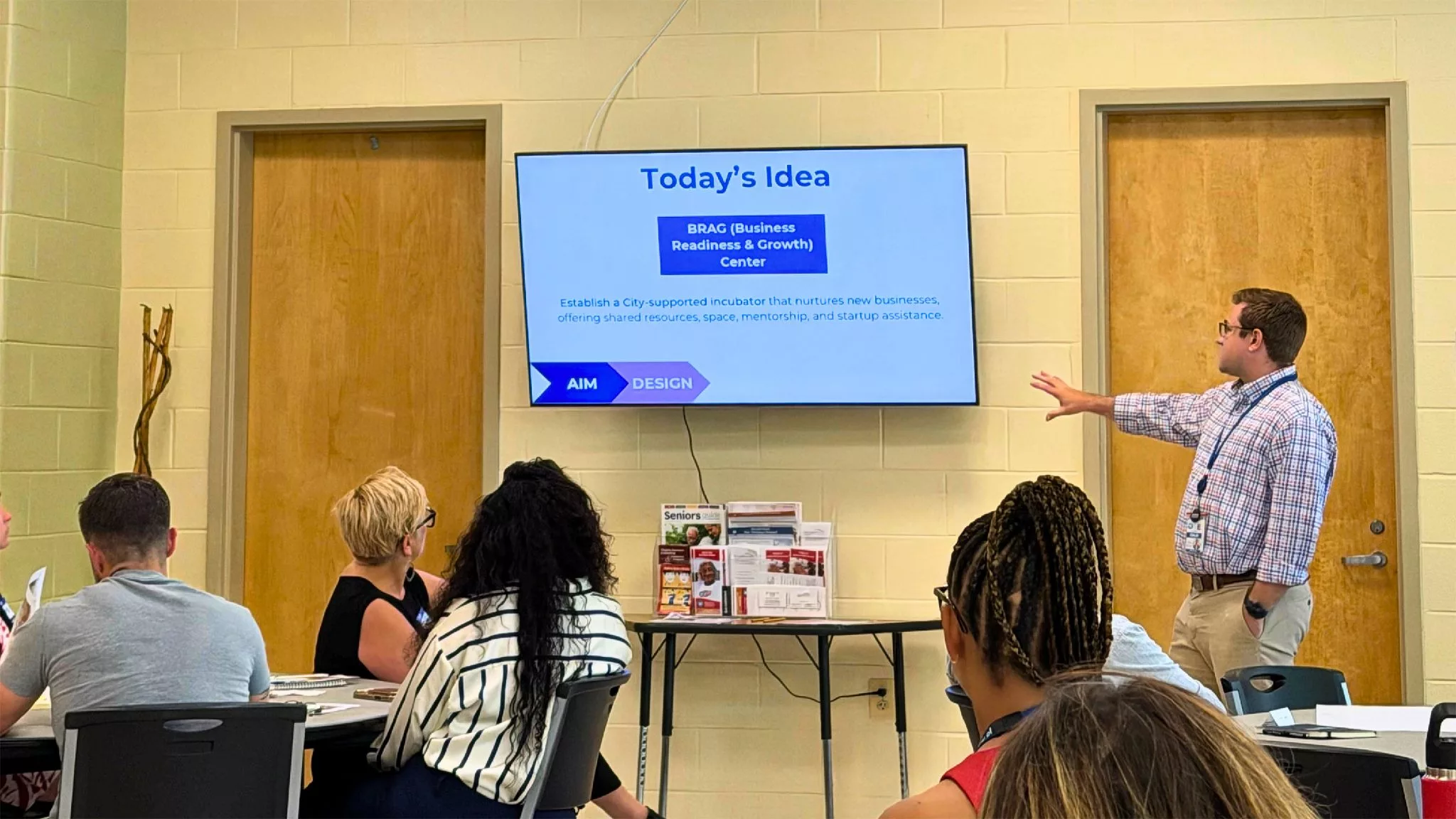
One thing we are working on right now is being more proactive and coordinated in addressing safe housing issues as early as possible as a city. I’m supporting the data piece of it, coordinating with the different departments and sharing data in a way to highlight changes or trends, and making data lead conversations about this. For instance, we’re seeing a theme of issues cropping up following transitions of property managers and property owners, so now the city is trying to develop better strategies and systems to make sure those changes are less disruptive. Data is a good place to start a conversation, but we need to have the people who are on the ground in the room to give context. The collaboration across departments is important because there are numbers on their own, but sometimes they don’t tell you the full story.
What lessons have you learned that other city leaders might find helpful?
I think the biggest lesson in my time here in Alexandria has been the importance of building relationships and trust — across city departments and with residents. For my first couple years here, our office hammered home the point of being a good partner as part of our mission and strategy. Our purpose is support, not accountability. We’re not trying to hold people’s feet to the fire, we just want to support the goals and projects that other teams are working on.
What did achieving What Works Cities Certification mean to you and your city?
It’s really nice to have recognition of work that probably goes more under the radar. It’s nice to go out and say, “Tell me about all the good work you’re doing,” and have that reflected back and be able to thank people for it. So often we’ll just do the next thing, and every once in a while, it’s good to be able to say, “Look at all the good stuff we’ve been doing, other people recognize that it’s valuable even at times when things can feel difficult.” Certification is also a good check-in to understand, “Where are the holes in some of the stuff that we’re doing? Where do we want to prioritize? What do we identify as opportunities? Where can we push and have more impact?”
Where should people visit in Alexandria?
Old Town Alexandria and the Waterfront are both great; there are tons of shops and restaurants, the riverfront’s beautiful and the parks are fantastic. My under-the-radar answer is the apothecary museum, which is a preserved old apothecary.