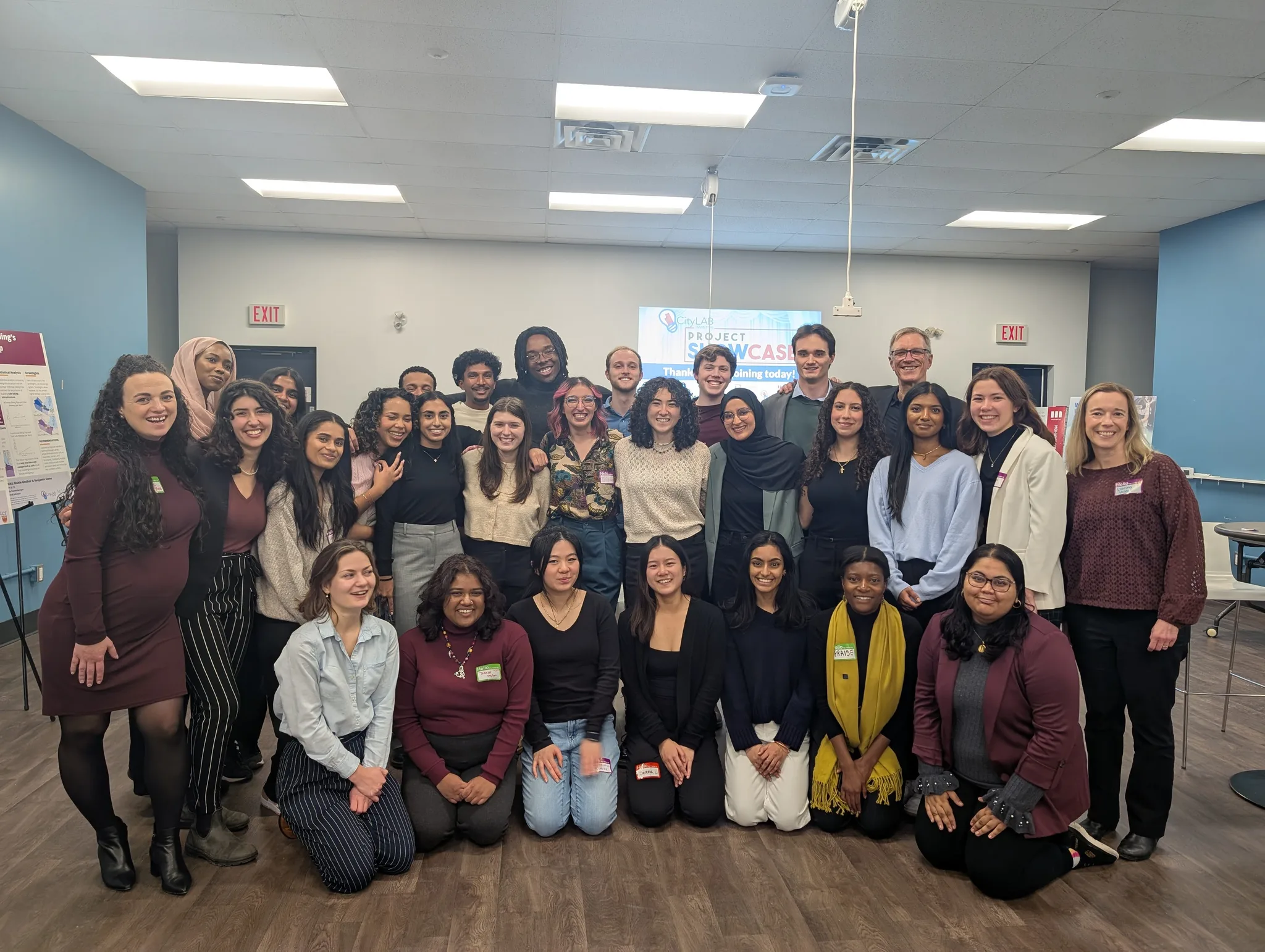
Data Champion
Bandana Parajuli
Senior Data Analyst
City of Paterson, New Jersey, USA
Cities are where policy meets the residents. I felt strongly that Paterson deserved a data-driven solution that meets residents’ real experience.
We have started embedding evaluations in our project. We don’t want to just rely on the data reports.
Data helped us move away from anecdotes and start making decisions based on facts.
Why did you join city government?
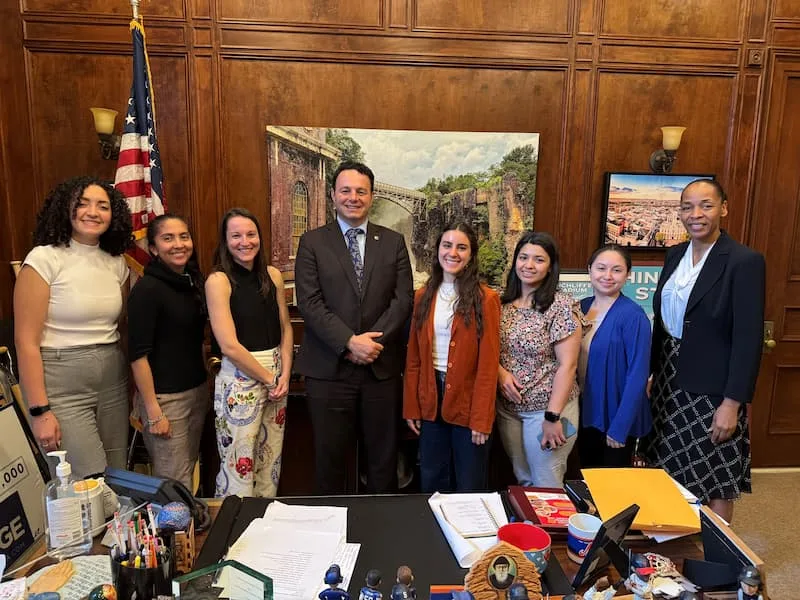
The capstone project for my master’s degree was to better predict crime in New York City. While I was doing my field work, going through the open data portal of New York City and getting data from the City, I realized how much data make a difference in decision making. So then I started looking for jobs in municipalities, and landed in Jersey City as a data analyst. Cities are where policy meets the residents. And I felt strongly that Patterson deserved a data-driven solution that meets residents’ real experience.
What keeps you going on tough days?
What keeps me going is that a simple data cleaning, or building a dashboard or helping a colleague with an Excel spreadsheet can translate into better services and more trust between government and the residents.
What makes you most proud when you think of your city’s use of data?
What I’m most proud of is that we have shifted towards the culture of using data as a tool to better serve all residents. For example, we have launched DataRise Paterson, a three-year data strategy to increase data capacity, transparency and responsiveness. We now also have a data governance committee so department directors have assigned data coordinators within their own departments. Those data coordinators are not just there to collect data, they are there to start using the data in decision making.
How did data help you solve a specific problem in your city?
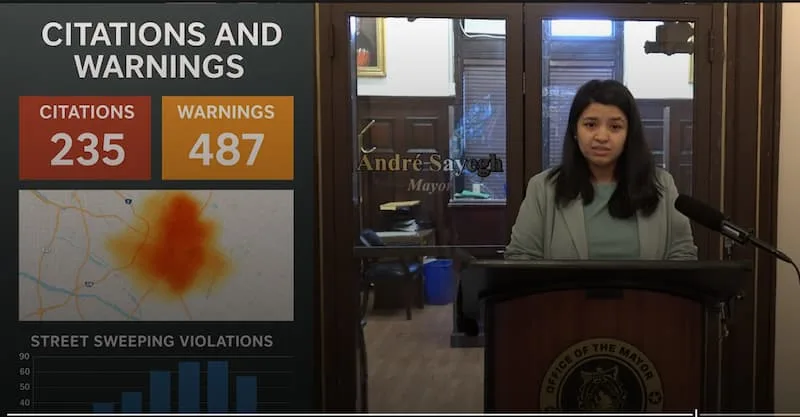
We were seeing that residents were frustrated that their 311 complaints weren’t being addressed on time. We were making small changes — removing or adding categories, reassigning staff — but we didn’t know what was working. Through data analysis, we identified the real problems, where resources needed to be directed and which fields required attention. We also began providing regular reports to department directors and city council members showing how many complaints or requests their department or ward received. This helped us get buy-in from stakeholders, and I see it as one of the city’s most successful uses of data. Data helped us move away from anecdotes and start making decisions based on facts.
What lessons have you learned that other city leaders might find helpful?
Whenever we start something, we don’t wait until we get perfect data. In the beginning, we only had basic systems and inconsistent reports, but we focused on creating a culture of clear processes, building trust between directors, celebrating wins and building momentum. The key is to start small—nothing has to be perfect in the beginning.
What would surprise people about your city government?
I think people would be really surprised to see how much creativity and resiliency is inside the city government. It is really amazing to see how people are performing with limited resources. We always try to leverage every technology we have. This stereotype of government being slow and resistant doesn’t look like what I see every day.
What’s next for your work?
We’ve started embedding evaluation in our projects because we don’t just want to rely on data reports, we want to understand the impact. I’m also excited about launching a new data portal for our residents. In building it, we’ve made sure to involve our major stakeholders throughout this process. It’s not just about uploading a wishlist of datasets, we take feedback from staff and consider what questions the public might have if we publish certain information.
What did achieving Certification mean to you and your city?
Achieving Certification was a huge milestone for us because it validated the hard work of all our city employees.
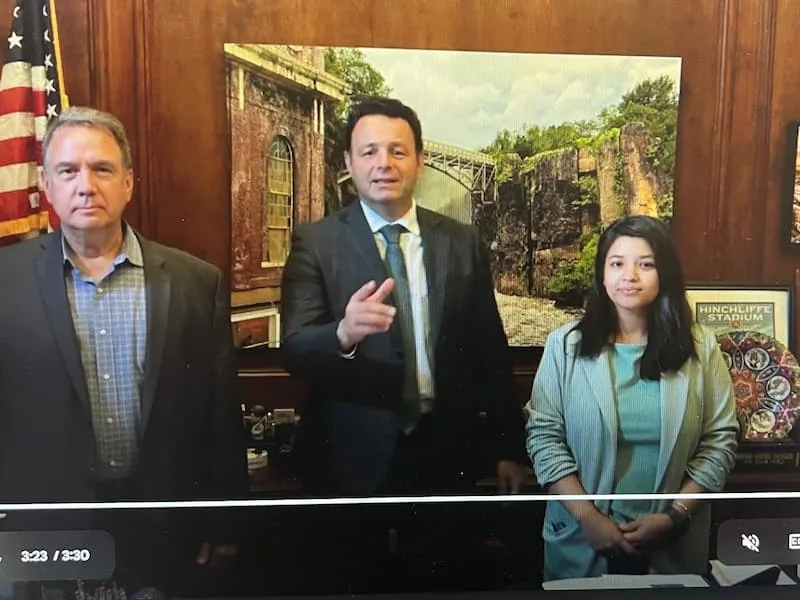
Everyone is invested here. The mayor always asks, “Why don’t we make a decision based on data? Let’s discuss what’s working and what’s not.” Certification shows Paterson residents how serious Paterson is about being transparent, accountable and evidence-based. For me personally, it’s very inspiring to see how far we have come because when I joined the City, we were struggling to coordinate with the legal department to share some of our data with the external vendors. Now we have a data sharing agreement, which streamlines the data sharing process and reduces the delays in our projects.
Where should people visit in Paterson?
Whenever people visit, I take them to Paterson Falls, which is a lovely waterfall 10 minutes from town.