
Data Champion
Cristian Chavarini
Director of Digital Transformation
Mendoza, Argentina

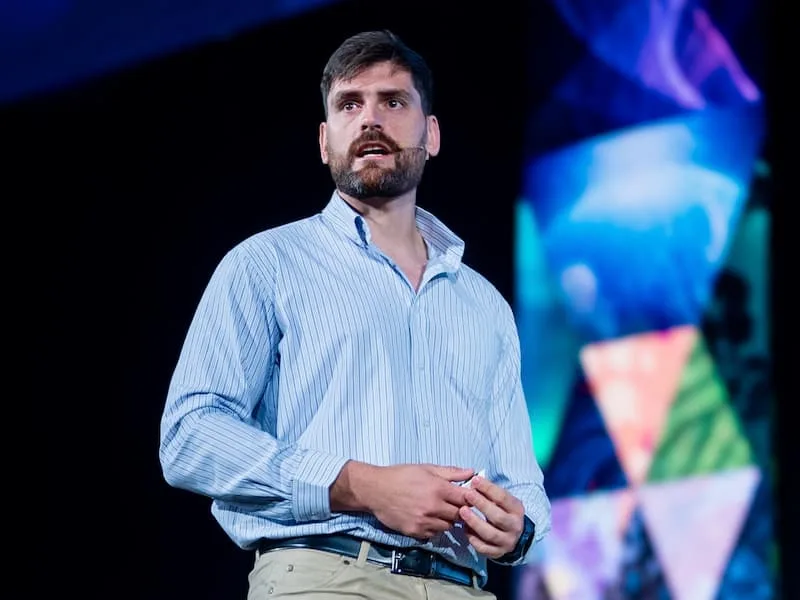
Why did you join city government?
I joined the municipality 15 years ago while I was a student. I’m a geographer by profession, specialized in Geographical Information Systems. I went through different roles related to geography within the municipality before the mayor created the Directorate of Digital Transformation Smart Cities and Open Government in 2023, as a consequence of the intense use of data that we were managing. This Directorate contains three big pillars, as the name suggests, and that’s a big part of what motivates me to be in the municipality: taking on projects across all kinds of topics—technology, environment, security, transport, finance. All of the departments come to the directorate looking for a technological solution to their problems so that they can better analyze their information and make data-driven decisions. You’re constantly learning new things and becoming an expert in local government issues.
What makes you most proud when you think of your city’s use of data?
During the last seven years, we’ve brought about a new paradigm within the municipality. Previously, decisions were made based on the perception or intuition of the Mayor or even some department Heads. Then, partly spurred by the pandemic, the Mayor had no one to turn to for information. We had a major technological leap and growth in these topics, and managed to overcome the belief that having the data meant having the power, so the different areas didn’t want to share their information, fearing the loss of that power. Now decisions are made based on evidence and data. Above all, what matters the most is the idea that the more data we have related to the situation or project we’re working on, the more efficient we’ll be, the better decisions we’ll make, and the faster we’ll provide solutions to the public.
How did data help you solve a specific problem in your city?
While provincial or state governments are formally responsible for security, the municipality has taken on a more active role thanks to our ability to collect and standardize data. We gather significant information through citizen participation programs aimed at crime prevention. We have also integrated data from multiple sources (cameras, municipal prevention officers, and other systems) into a security observatory. This enables us to make real-time decisions, identify critical areas, and allocate resources more efficiently. Today, we work with standardized data, statistical dashboards, real-time incident visualization, and heat maps. We are also advancing into predictive analysis. For example, at the start of each week, we plan tasks based on the behaviors observed during the previous week, prioritizing critical areas and those with higher crime incidence to develop weekly work plans.
What lessons have you learned that other city leaders might find helpful?
We have often learned this the hard way. Departments, eager to have a useful tool, submit requests to the Directorate, but data alone does nothing and changes nothing unless value is added and knowledge is applied. The key lesson is that every piece of data incorporated into our daily decision-making must serve a purpose. It should not remain as just an attractive dashboard or one that only highlights positive indicators, but rather as information that is truly used to make decisions for the benefit of citizens. Another important lesson we have learned is that political support and commitment are essential to ensure the sustainability and scalability of these initiatives in the long term. Evidence-based decision-making can transform a city’s reality, delivering better services and, ultimately, a better quality of life for its citizens.
What would surprise people about your city government?
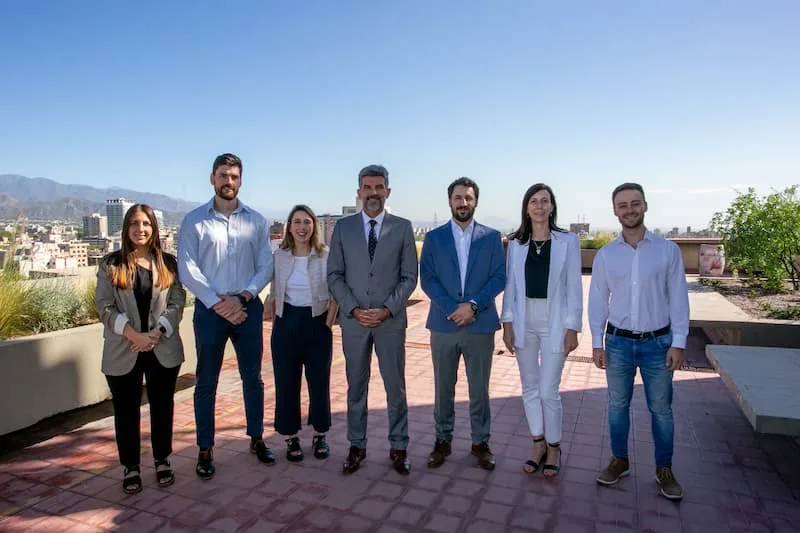
It might be surprising to see how innovative and agile a municipality can be when there is a clear vision set and a committed team. Many people assume that the public sector is rigid and slow, but in the City of Mendoza we have shown quite the opposite: we have successfully implemented advanced technologies, automated processes, and opened data in very short timeframes by working collaboratively across different departments. What is also remarkable is the dedication and technical talent within the municipal team—highly skilled professionals who choose to work in government because they believe in their ability to generate real impact.
What’s next for your work—and how do you hope to keep using data?
We have laid the groundwork to leverage impressive technologies. With high-quality standardized data, we are now building a data lake and conducting deep data mining, while working to implement predictive models that use artificial intelligence for forecasting and event projection. We are developing several analytical and technological tools to personalize interactions with residents. We are moving toward data-driven management in areas such as urban maintenance, environmental planning, and social services management, among others. At the same time, we are incorporating citizen participation tools that strengthen open governance and transparency in public management. Our goal is to consolidate an evidence-based government that is people-centered and capable of adapting to future challenges.
What did achieving What Works Cities Certification mean to you and your city?
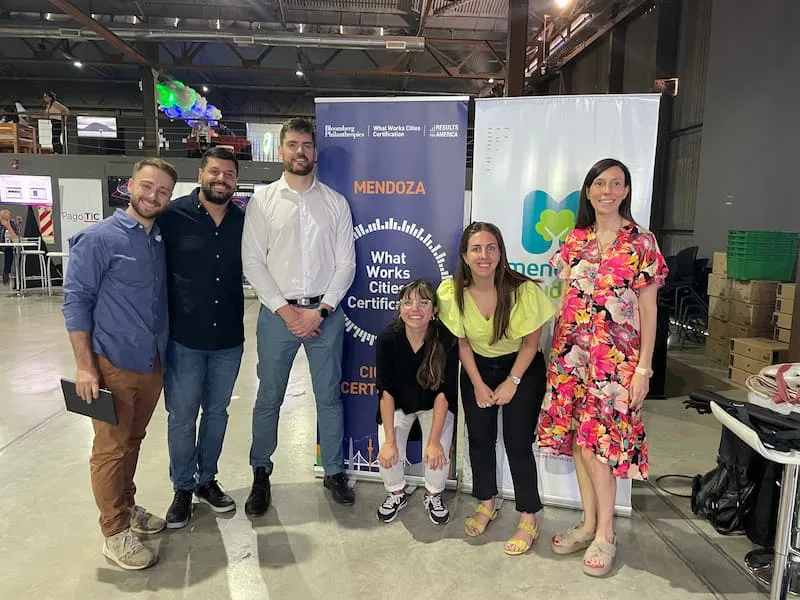
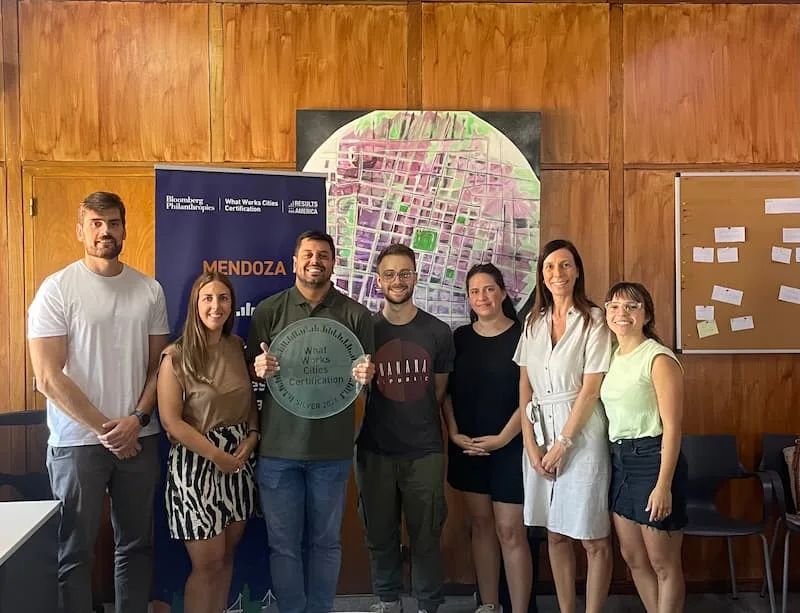
Obtaining the What Works Cities Certification was an institutional milestone and a recognition of the sustained efforts of the entire municipal team. Every official, technician, and staff member played a key role in achieving these advances. At the same time, it provided international validation that the City of Mendoza not only uses data, but also incorporates it strategically into its decisions and public policies. Personally, it was a tremendous source of pride because it demonstrates that a mid-sized Latin American city can be at the global forefront of evidence-based management. This certification drives us to continue raising our standards and to share our experiences with other cities in the region.
Where should people visit in Mendoza?
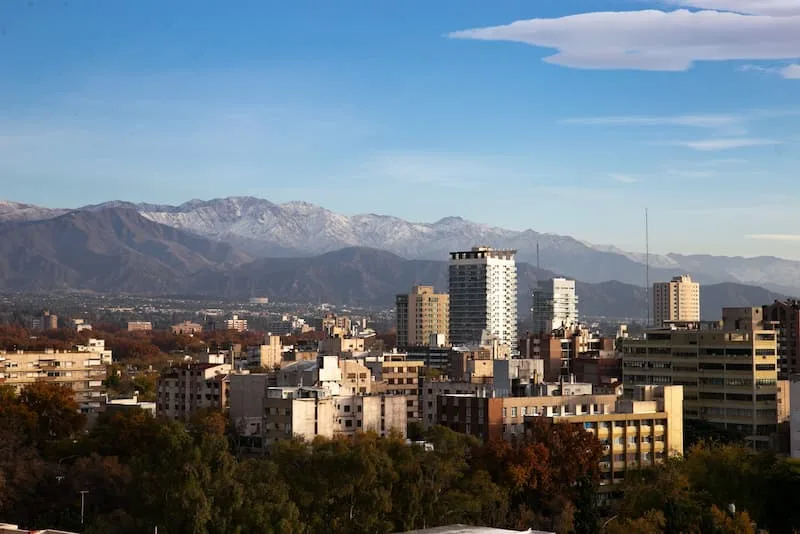
If you visit the City of Mendoza, you cannot miss Parque General San Martín with its iconic gates, the lake, the Rosedal, and the climb up to Cerro de la Gloria for postcard views; the city’s heart with Independencia square and the squares surrounding: España, Italia, Chile, and San Martín; Peatonal Sarmiento for a stroll among cafés; and Avenida Arístides Villanueva to enjoy bars and gastronomy at night. In addition, Parque Central and Paseo Alameda add greenery and history, while Museo del Área Fundacional and Ruinas de San Francisco connect you with the city’s origins. And for a 360° panoramic view, head up to the Terraza Jardín Mirador at the Municipality.